



The Seasons of Hoedspruit | A Guide to the Best Time to Visit Jabulani
by Jabulani Safari Content Writing Team
 Comment

Each season at Jabulani carries its own magic. Whether under warm sun, nourishing rain, crisp winter air, or winds that stir the bush awake, every stay leaves a lasting impression. In the wild, the weather is not a backdrop, it is a storyteller, shaping each moment and deepening every connection. Throughout the year, the bush reveals new wonders, and with every changing season comes a fresh, unforgettable surprise.
The Subtropical Climate of Hoedspruit
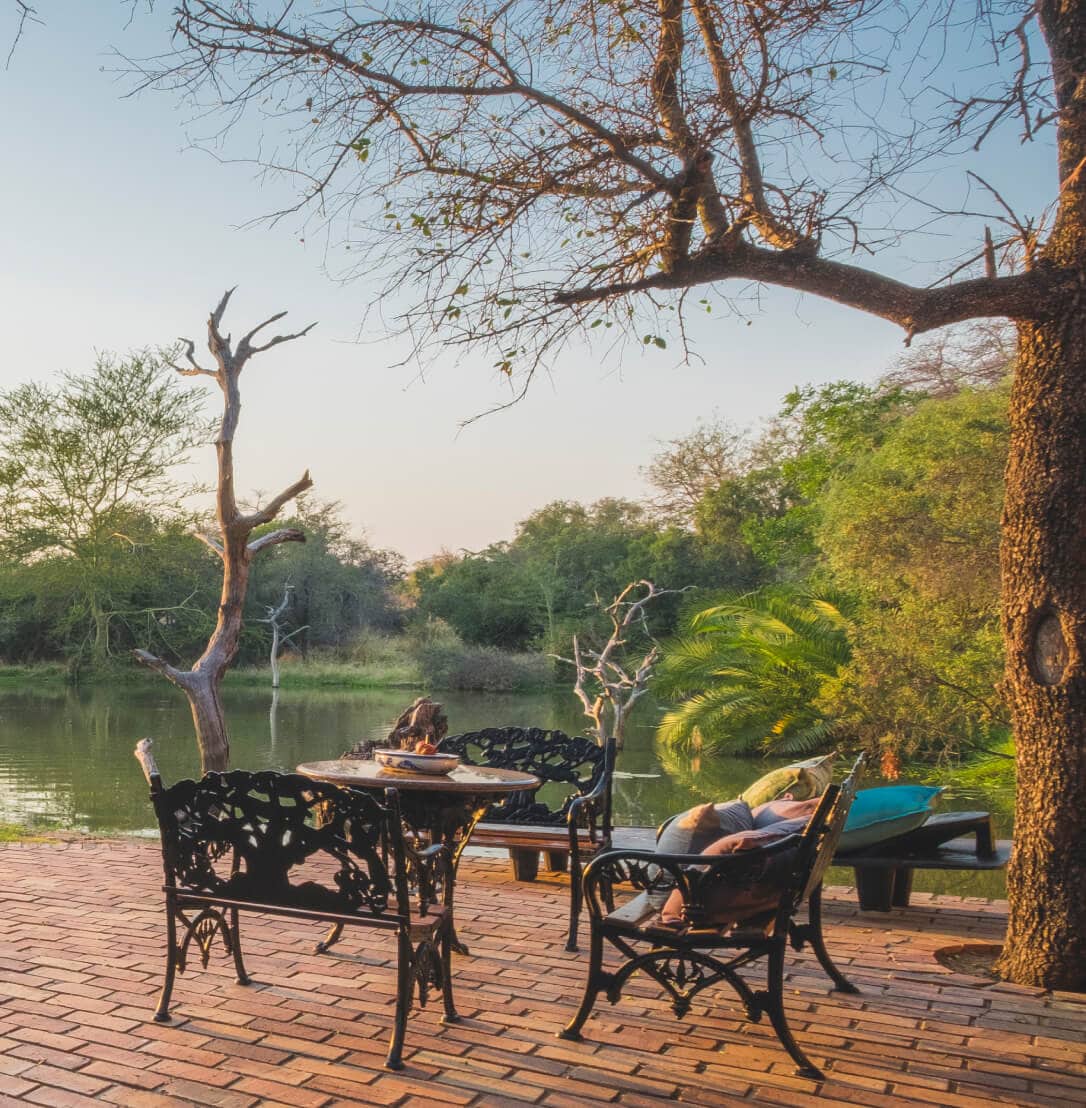
Hoedspruit moves to the rhythm of two distinct seasons, each telling its own story. Summer arrives with heat and humidity, alive with dramatic afternoon thunderstorms that awaken the bush and paint the landscape in vibrant greens. Winter follows with a softer touch, mild, dry days, crisp mornings and endless blue skies that seem to stretch on forever. Each season reveals the land in a different light, offering moments of wonder, contrast and quiet inspiration for those who come to experience it.
- The season of summer (December–February) is the warmest and wettest season, known as the green season, when the bush comes alive in rich, vibrant colour. Migratory birds arrive, filling the landscape with life, while afternoon thunderstorms refresh the land. Though thicker vegetation can make wildlife sightings more subtle, the season offers a beautiful sense of renewal and abundance.
- The season of winter (June–August) is a peak safari season, with dry weather and open landscapes ideal for wildlife viewing as animals gather at water sources. Mornings are crisp, so layers are recommended, and rainfall is minimal, July often sees none.
- The season of spring (September–November) is a season of transition, as temperatures and humidity begin to rise and the bush slowly turns green once more. Newborn animals are often seen during this time, and the first gentle rains typically arrive in late September or October, bringing welcome relief after the dry winter and signalling the promise of renewal ahead.
Choosing the Best Time of Year for a Safari
No matter the time of year, a safari at Jabulani is always filled with unexpected surprises. Whether you are drawn to the vibrancy of summer or the crisp calm of winter, there is always something precious waiting to be discovered and experienced in every season, it all depends on your interests.
Here, peak season is considered to be the dry winter months, yet the lush summer can offer exceptional game viewing too. During the dry season, the thinning vegetation and congregating wildlife around waterholes make it easier to spot and track animals.
On the other hand, summer brings magnificent scenery and unforgettable sunsets. While wildlife can be slightly more elusive as the bush thickens and water becomes abundant, the landscape itself transforms into a breathtaking, living canvas that rewards every moment spent exploring.
Activity Times That Shift with the Seasons
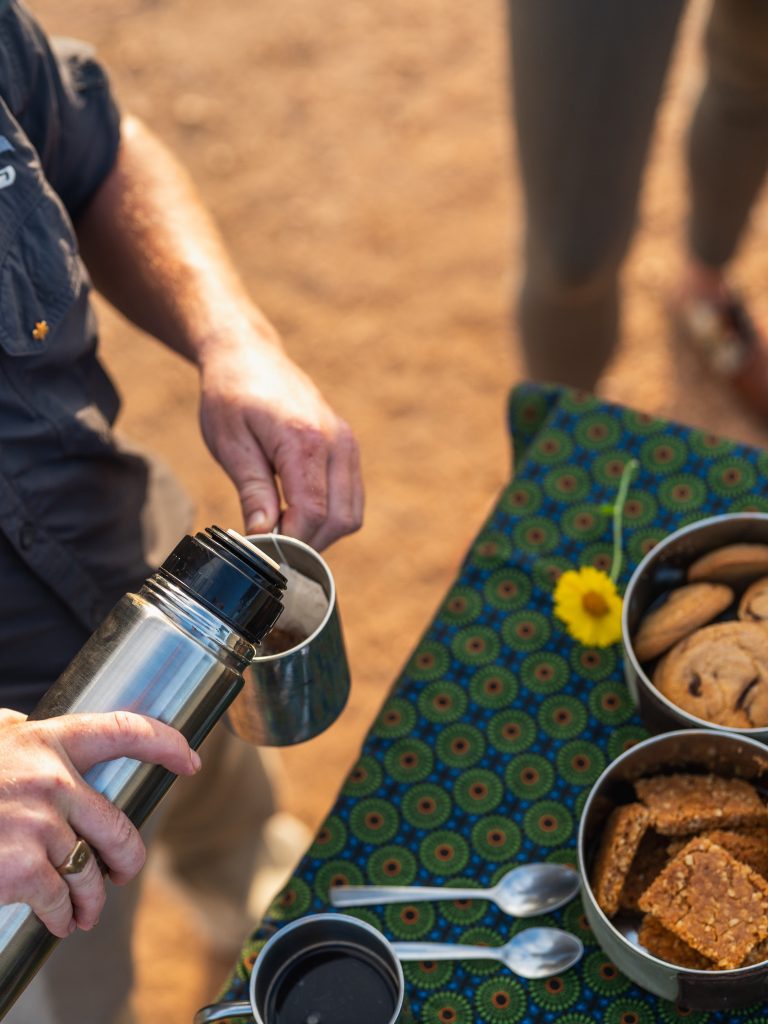
As the bush slowly awakens in winter, the early mornings remain wrapped in darkness a little longer. We ease into the day gently, setting out on our morning drives between 06h30 and 09h30, and returning to the wild again in the soft afternoon light from 16h00 to 19h00.
In the warmth of summer, the rhythm shifts with the sun. We drive out earlier, from 05h30 to 09h00, and later in the day from 16h30 to 19h30, when the heat softens and the bush comes alive once more.
These times follow the natural flow of the seasons, but like the wild itself, they remain flexible, allowing each safari experience to unfold in its own unhurried, organic way.
Why Winter at Jabulani Is Still an Exceptional Time to Visit
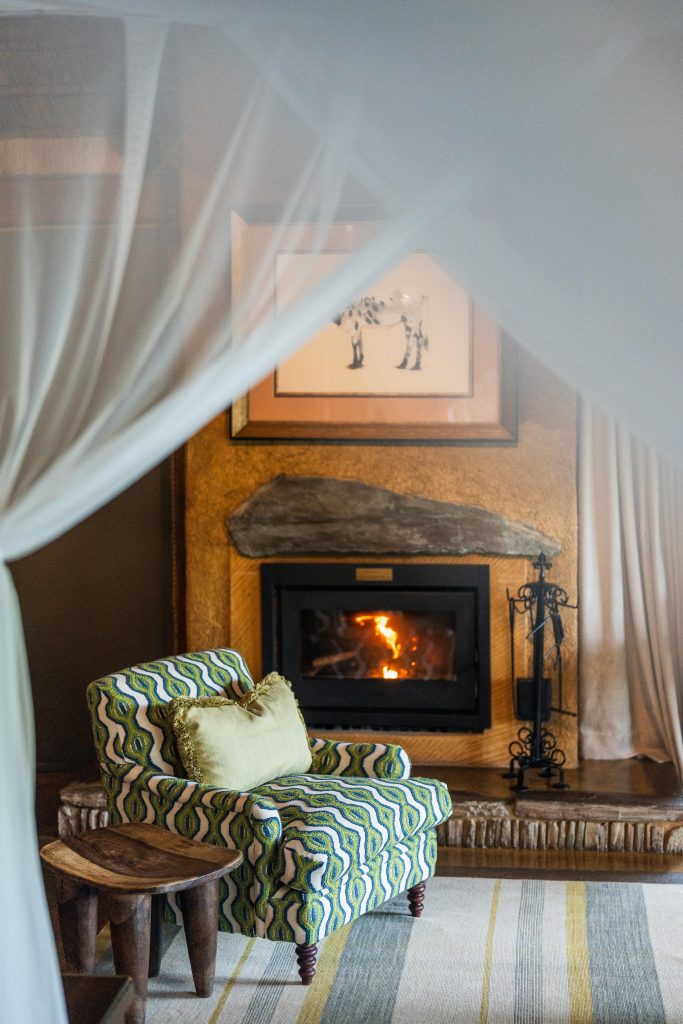
The winter months bring more than just crisp air, cooler mornings and early wake-up calls. They bring a sense of comfort and warmth, along with the magical colours that only the bush can so effortlessly reveal. During this time, the rains have passed and the landscape is less dense, making it easier to spot animals in their natural rhythm. The mild climate and enhanced game viewing create unforgettable game drives. As the day unfolds, the cool morning air gently gives way to warmth, with little need for extra layers until late afternoon, when the temperatures begin to soften and drop once more.
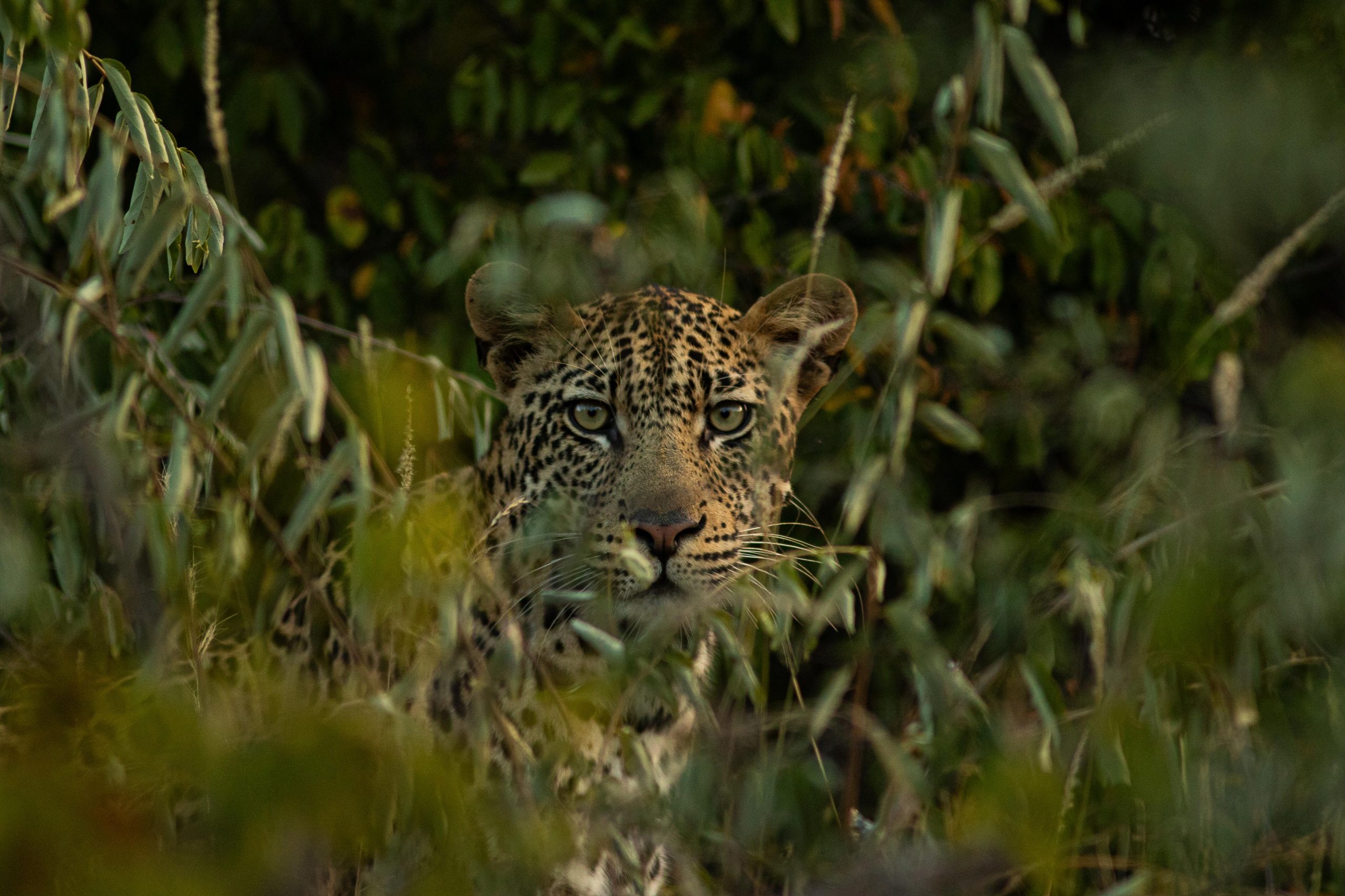
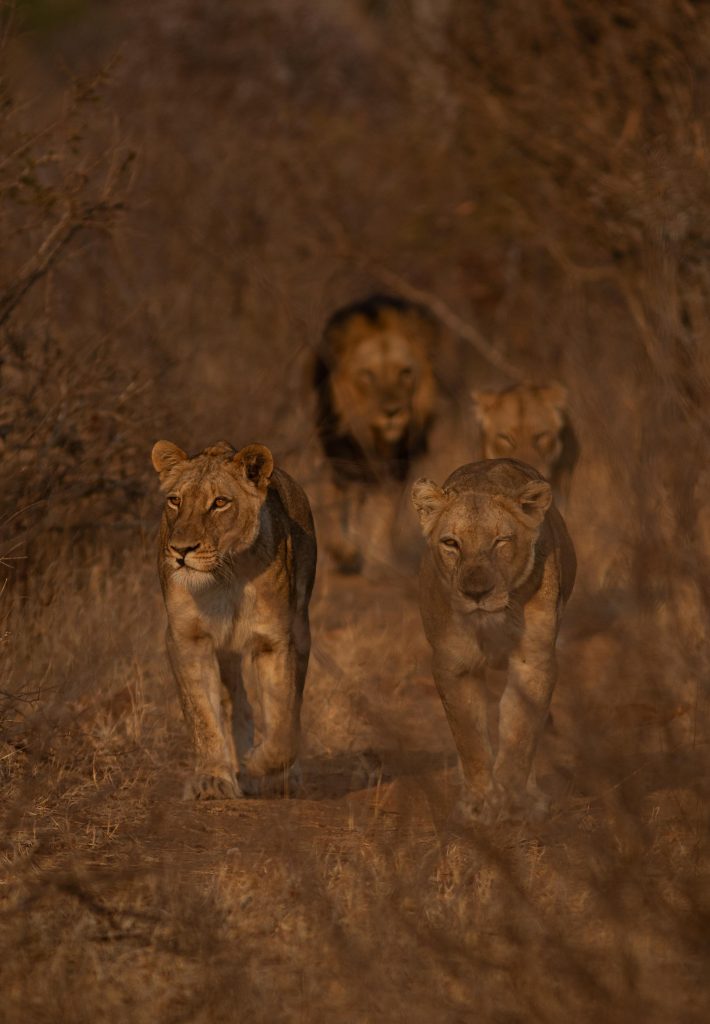
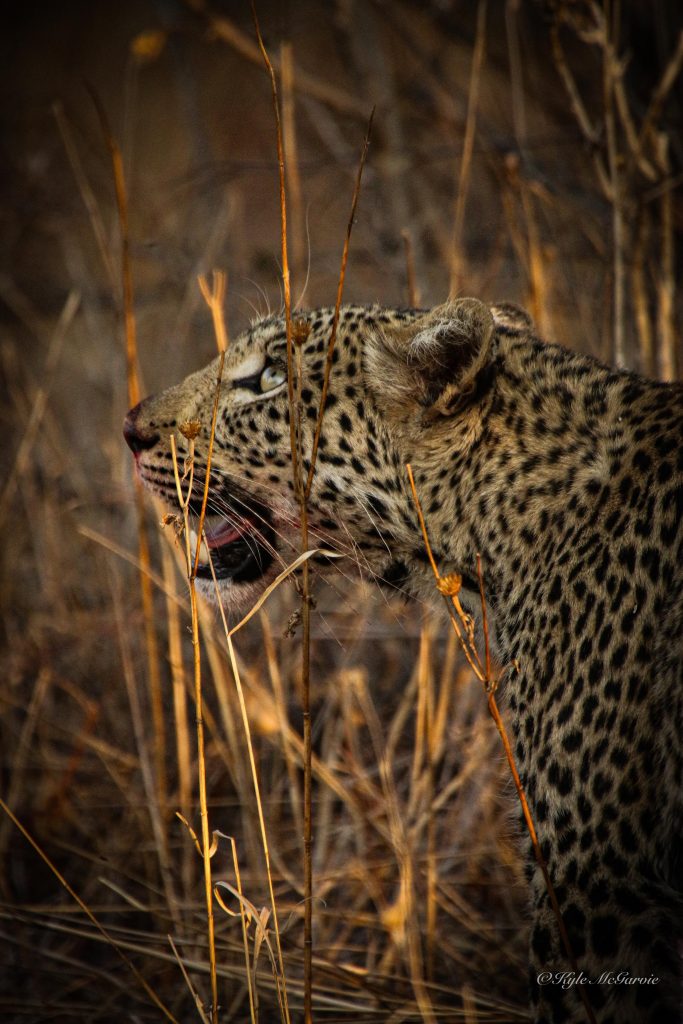
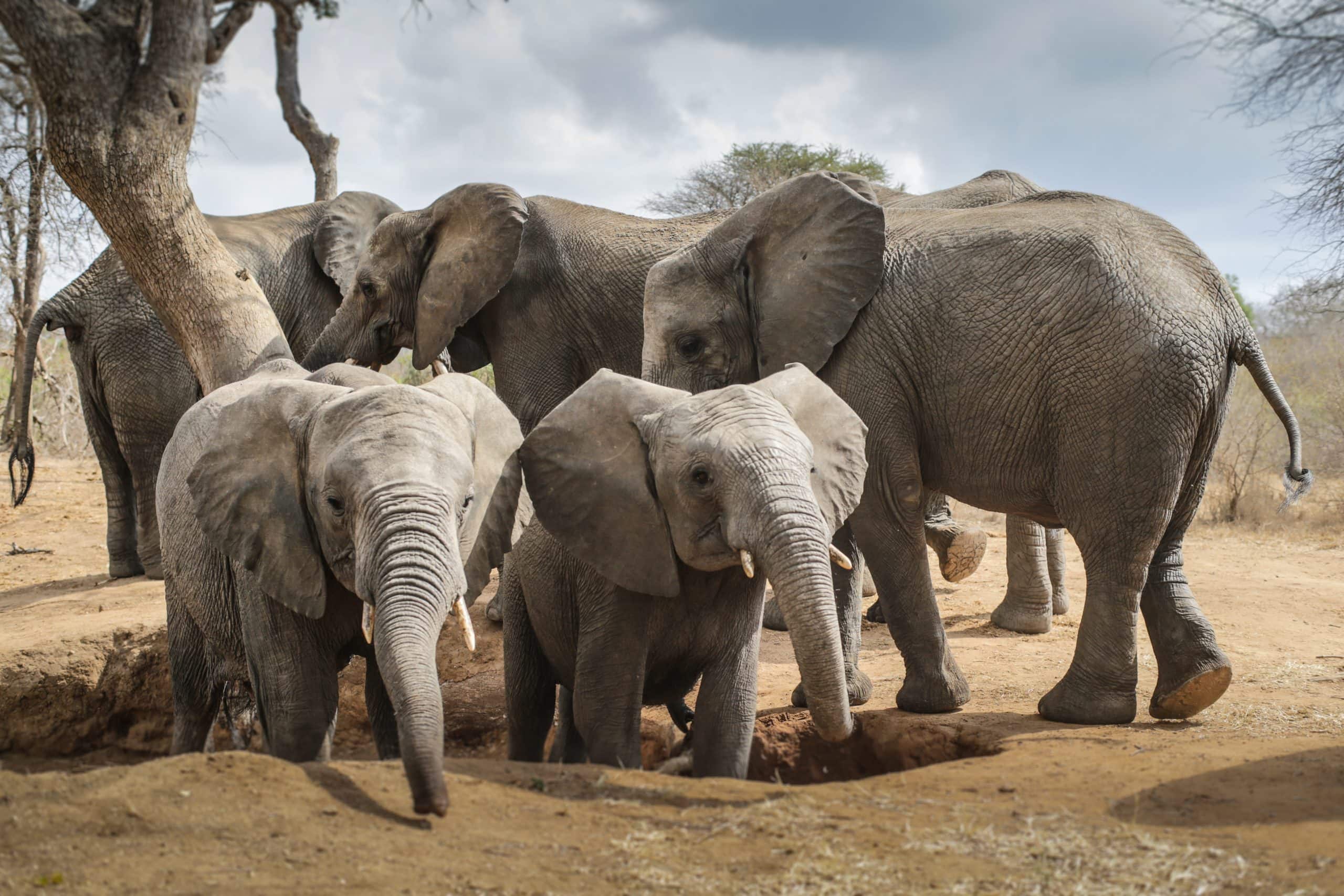
Winter is also the season when the African bush reveals some of its most dramatic theatre. With the grass short and dry, and the trees stripped back to their bones, predator and prey play out their stories with nowhere to hide. Lion prides move more openly across the plains, leopard are easier to track through sparse undergrowth, and elephant herds congregate at waterholes in the late afternoon, drawing other wildlife in with them. For those who come to witness the full force of a wild ecosystem at work, there is no better time.
Frequently Asked Questions
What is the best time of year to visit Jabulani?
Winter (June–August) is considered peak safari season at Jabulani, thanks to dry weather, thinning vegetation, and animals gathering around waterholes, all of which make game viewing easier. That said, summer (December–February) offers exceptional scenery, dramatic thunderstorms, and a “green season” abundance that has its own appeal, so the right time really depends on whether you prioritize wildlife visibility or lush landscapes.
Does it rain during safari season at Jabulani?
Rainfall is seasonal and predictable. Summer (December–February) brings dramatic afternoon thunderstorms, while winter (June–August) is largely dry, July often sees no rainfall at all. Spring (September–November) marks the transition, with the first gentle rains typically arriving in late September or October.
What is game viewing like in winter versus summer?
Winter offers the clearest game viewing of the year. Short, dry grass and sparse vegetation mean lion prides move more openly, leopards are easier to track, and elephants congregate at waterholes in the late afternoon. In summer, thicker vegetation can make sightings more subtle, but the trade-off is vibrant green landscapes, migratory birds, and a strong sense of renewal in the bush.
What time do game drives run at Jabulani?
Drive times shift with the seasons to follow natural light. In winter, morning drives run from 06h30 to 09h30 and afternoon drives from 16h00 to 19h00. In summer, drives start earlier and run later, 05h30 to 09h00 in the morning and 16h30 to 19h30 in the afternoon, to make the most of cooler hours.
Is spring a good time to visit for wildlife?
Yes, spring (September–November) is known for newborn animal sightings as the bush begins its transition from dry winter to lush summer. It’s a season of renewal, with rising temperatures and the first rains typically bringing relief after the dry months.
What should I pack for a winter safari at Jabulani?
Mornings are crisp, so layers are recommended for early drives. Temperatures warm up through the day, and you’ll likely only need extra layers again in the late afternoon as it cools off once more
A lovely blog describing the seasons at Jabulani bringing the activities to life for each season.