

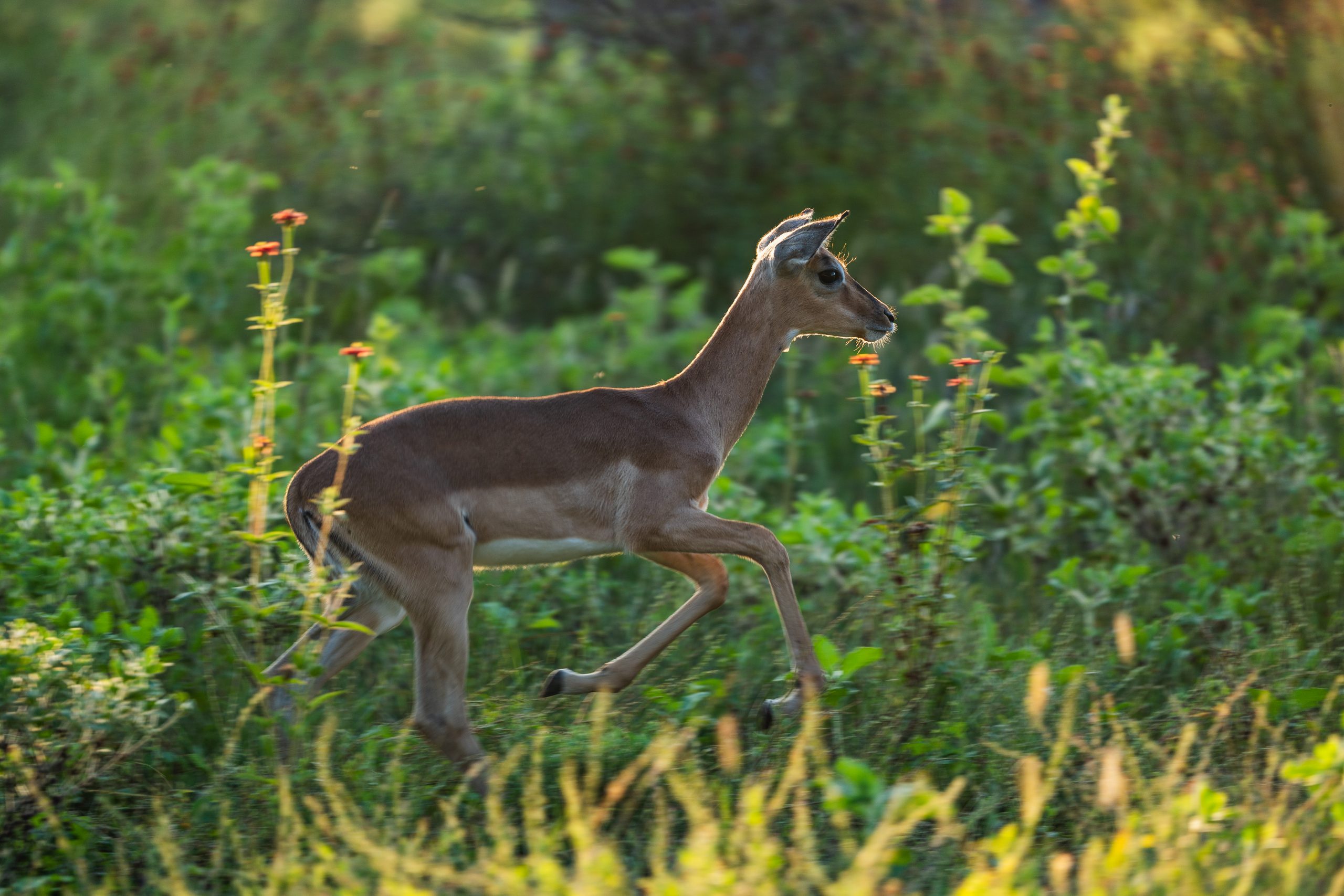
Celebrating 100 Years of Kruger National Park
by Jabulani Safari Online Community Officer
 Comment

Honouring a Century of Wilderness, Protection and Purpose
There are landscapes that hold stories far older than we can imagine.
The Greater Kruger region is one of them.
This year, as the Kruger National Park marks its centenary, we honour not only 100 years of protected wilderness, but the vision, courage and long-standing conservation commitment that helped shape one of Africa’s most treasured wild spaces.
For Jabulani, this milestone feels close to home.
Set within a private Big Five reserve in the Greater Kruger region, our story has always been shaped by this landscape. Its rhythms, its wildlife, its people and its quiet lessons continue to guide how we welcome guests, care for elephants and understand our place within the wider conservation story of South Africa.
Where the Story Began
Before Kruger became one of the world’s most recognised national parks, it began with a simple but powerful idea: to protect.
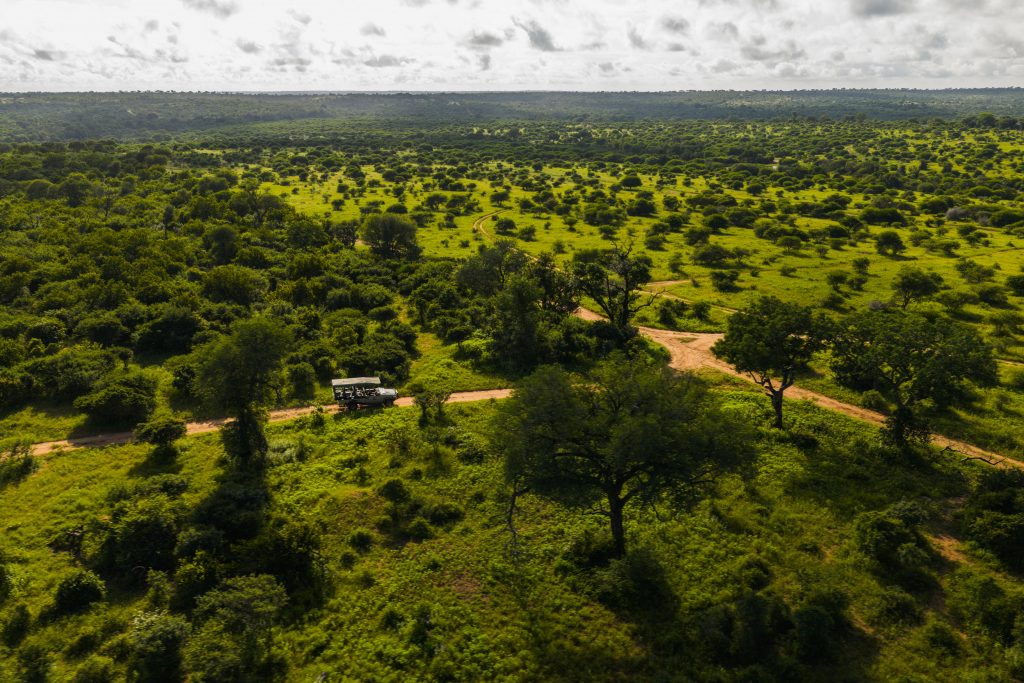
In 1898, the Sabie Game Reserve was proclaimed in response to the urgent need to safeguard wildlife and wild land. In 1926, this vision became the Kruger National Park, South Africa’s first national park and a lasting symbol of what can happen when people choose preservation over loss.
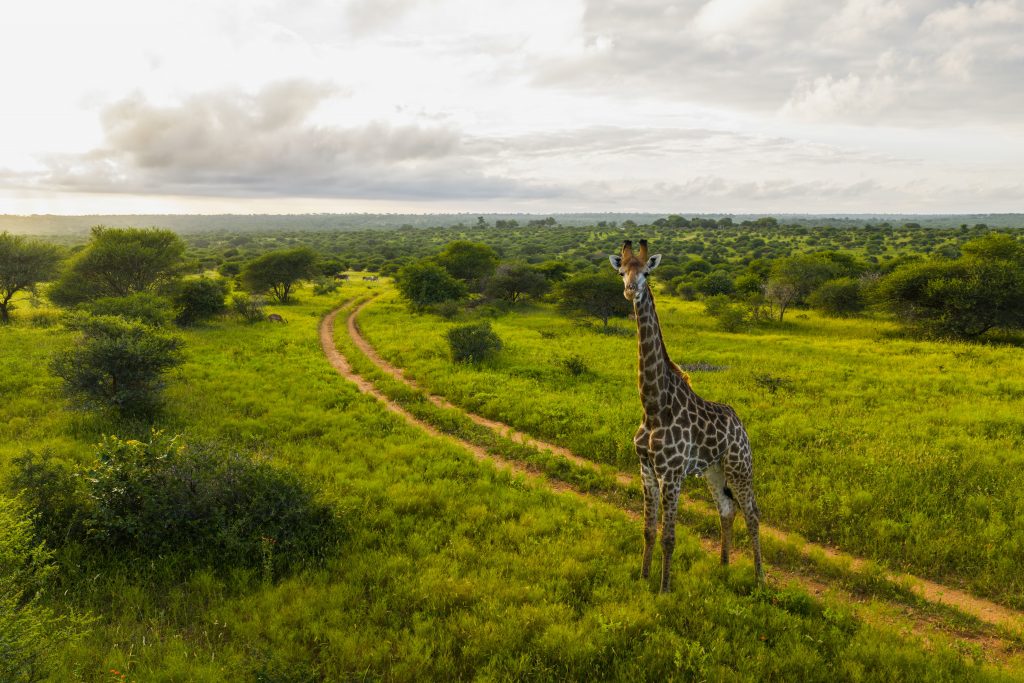
A century later, Kruger remains one of the most important conservation areas on the African continent. Its rivers, grasslands, woodlands and ancient trees continue to support an extraordinary diversity of life.
But its legacy is not only measured in hectares or species.
It is felt in the stillness before sunrise.
In the movement of a herd across open land.
In the call of birds through the morning air.
In the reminder that wilderness needs space, time and protection.
A Living Wilderness
Kruger’s scale is part of what makes it remarkable.
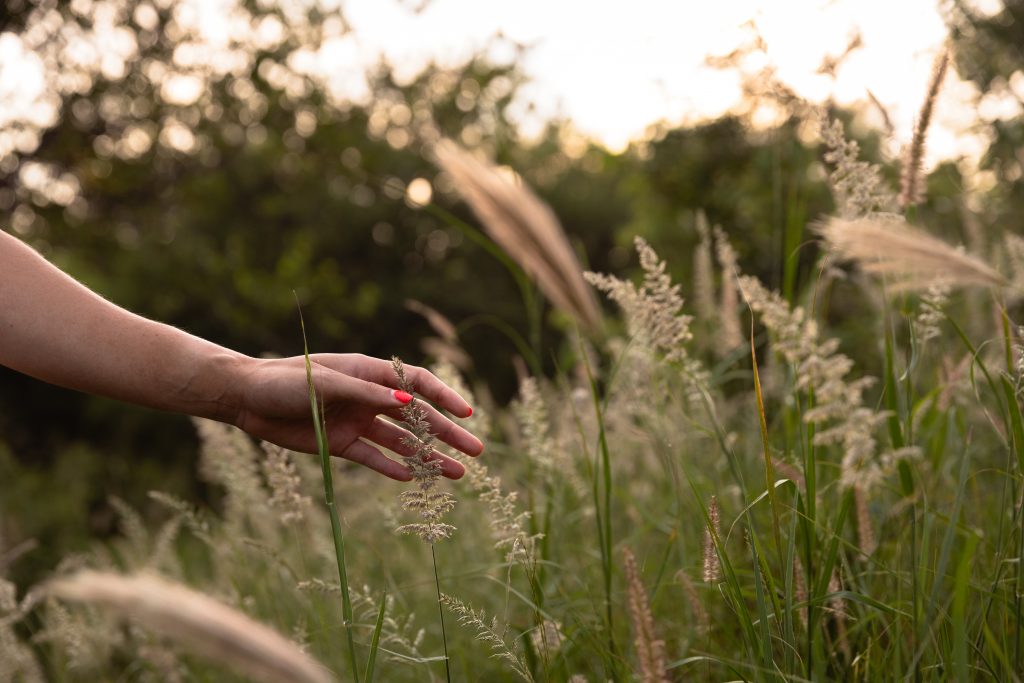
Stretching across nearly two million hectares, it is a vast living system where every species plays a role. Elephant, lion, leopard, buffalo, rhino, antelope, birds, insects, trees, grasses and rivers all form part of a much larger whole.
This is not wilderness as a backdrop.
It is wilderness as a living, breathing presence.
At Jabulani, we understand this deeply. The bush does not perform on command. It asks you to slow down, listen and meet it where it is. This is part of the soulful safari experience we believe in: one shaped by patience, presence and respect.
The Elephants at the Heart of the Story
No reflection on Kruger’s legacy would feel complete without acknowledging elephants.
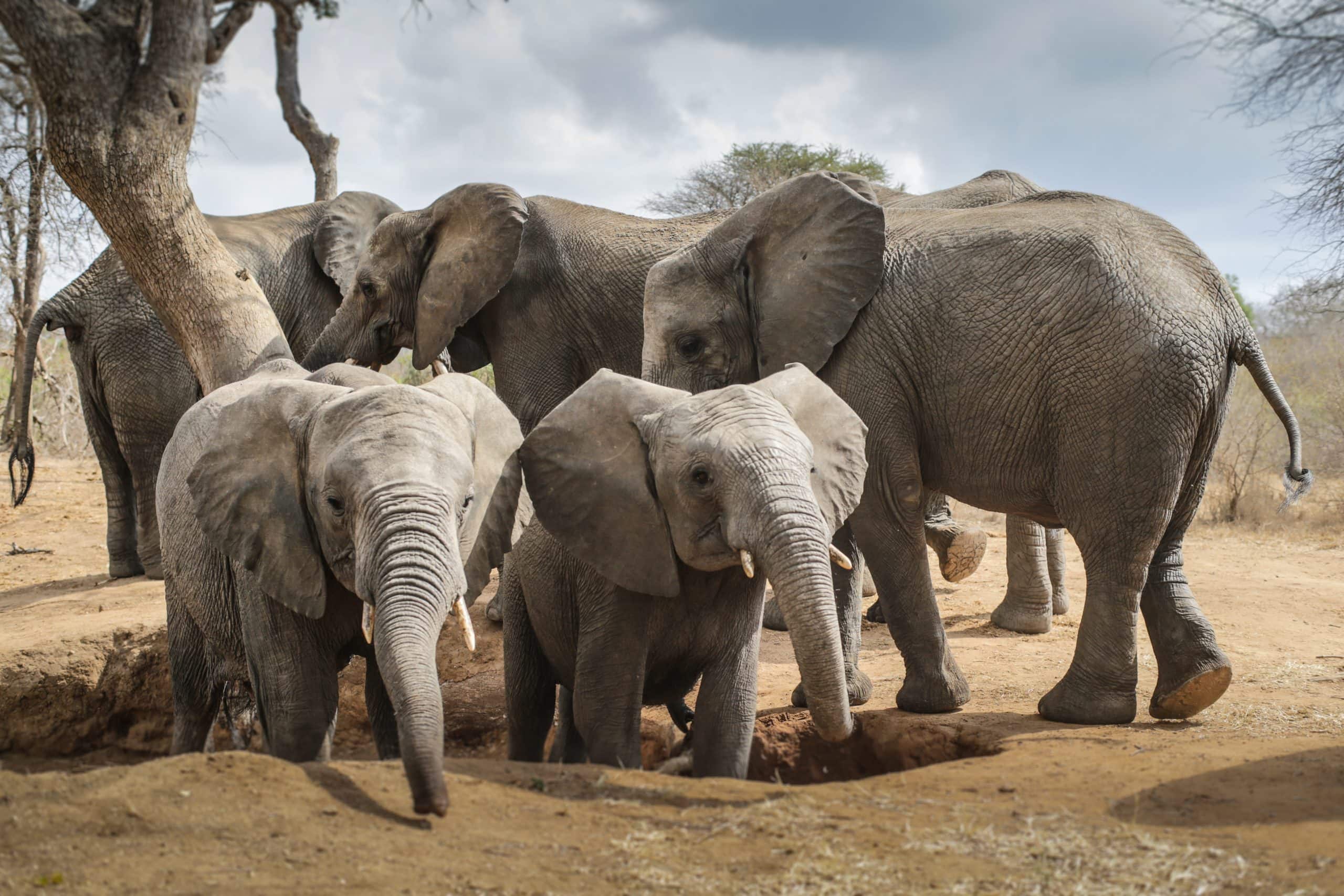
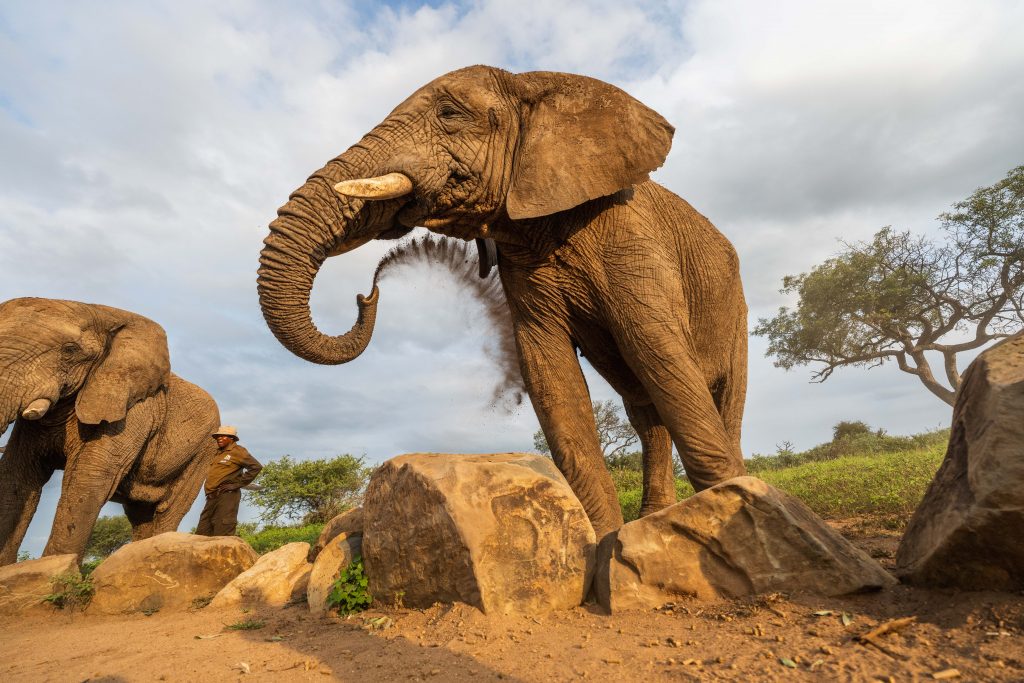
Across the Greater Kruger landscape, elephants are among the great shapers of the wild. They open pathways, influence vegetation, create access to water and help shape the ecosystems around them. Their presence reminds us that conservation is never about one species in isolation. It is about balance, relationship and responsibility.
At Jabulani, elephants are central to our own story.
Our journey began with Jabulani, a young elephant calf found injured, abandoned and stuck in the mud of a silt dam in 1997. His rescue would become the beginning of something far greater than anyone could have imagined.
Today, the Jabulani herd represents resilience, trust and the profound responsibility that comes with caring for animals whose lives have been shaped by human intervention. Their story is deeply personal, yet it sits within a much broader conservation landscape: one that asks us to protect not only wildlife, but the wild spaces they depend on.
A Shared Conservation Spirit
Jabulani is not part of the Kruger National Park itself, but we are proudly rooted in the Greater Kruger region, where the same spirit of conservation continues beyond formal park boundaries.
This connection matters.
Protected areas, private reserves, conservation organisations and responsible tourism all play a role in securing the future of wild spaces. Each contributes to a larger vision, one where wildlife can move, ecosystems can recover and people can build a deeper understanding of why these landscapes must endure.
For us, luxury and conservation are not separate ideas.
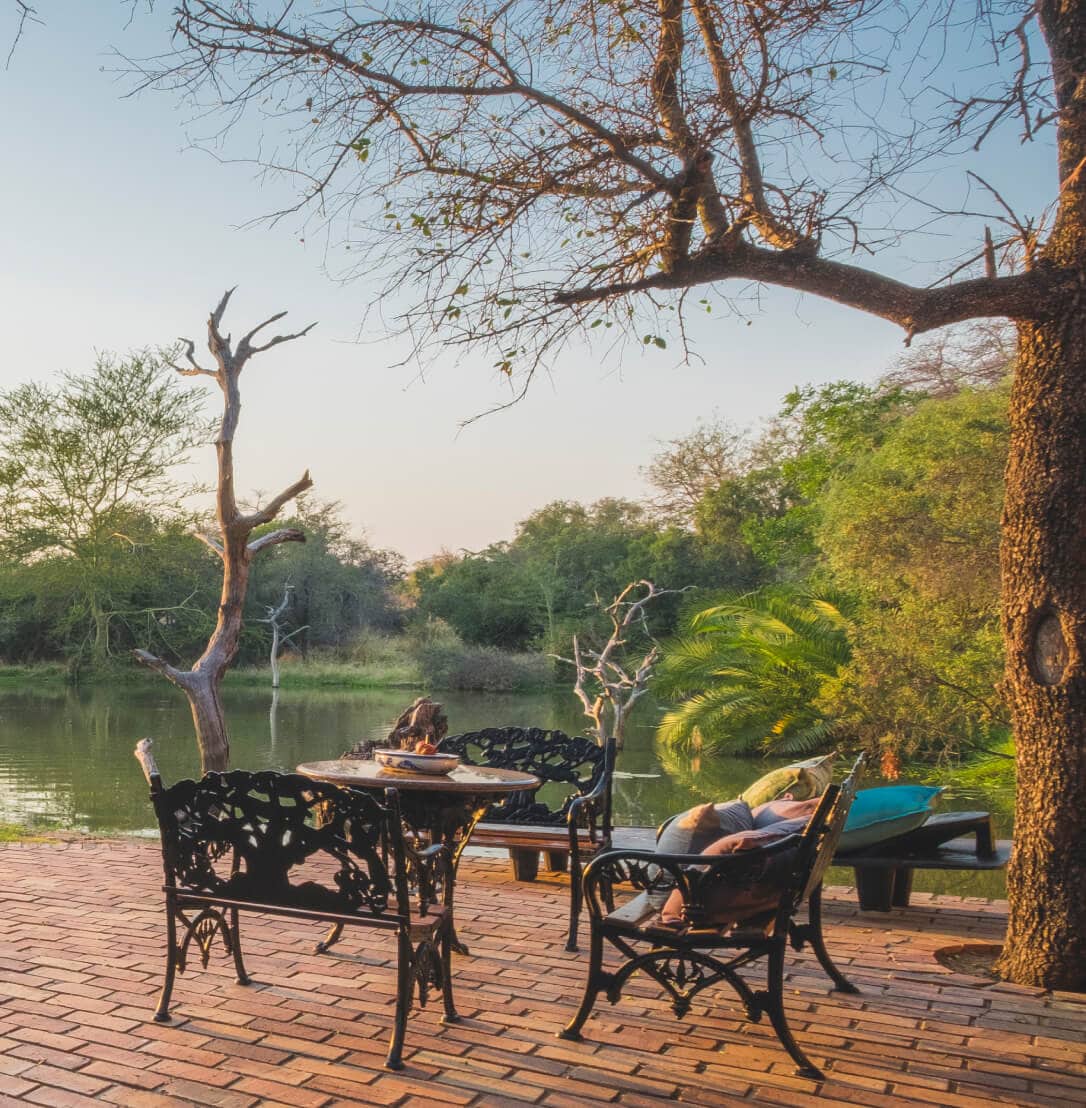
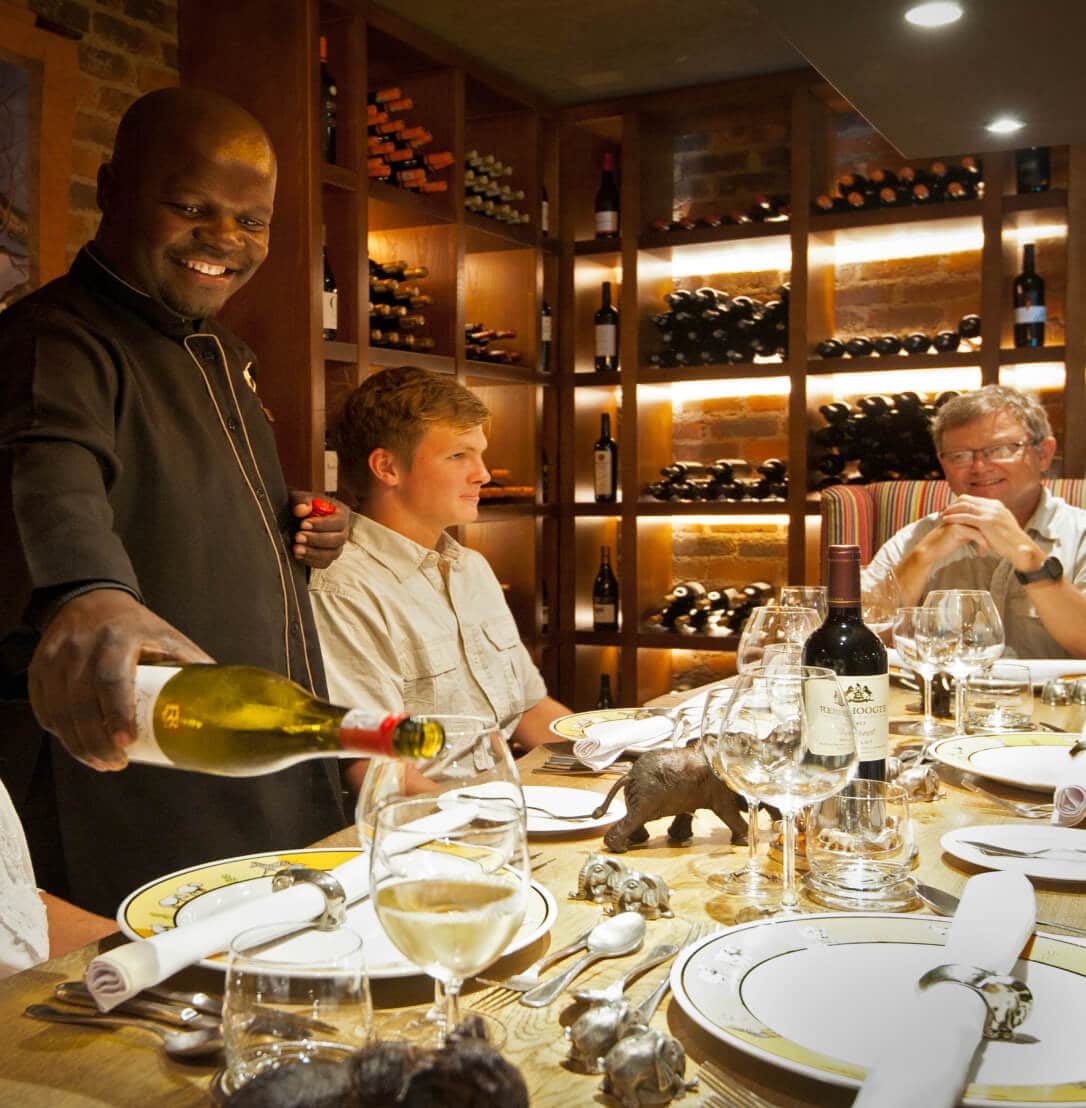
A stay at Jabulani is designed to offer comfort, privacy and refined hospitality, but it is also an invitation into a meaningful story of land, wildlife and care. Guests do not simply observe this place. They become part of its ongoing narrative.
Honouring the Past, Protecting the Future
The centenary of Kruger National Park is a celebration, but it is also a reminder.
A reminder that conservation takes time.
A reminder that protection requires commitment across generations.
A reminder that wild places survive because people choose to value them.
As we honour 100 years of Kruger National Park, we also look ahead with gratitude and responsibility. The next century will ask even more of those who care for the natural world. It will ask for collaboration, humility, innovation and a continued respect for the delicate balance between people, wildlife and place.
From all of us at Jabulani, happy centenary to Kruger National Park.
May its story continue to inspire protection, deepen connection and remind us why the wild must always have a future.