

The Legendary Leopards of Jabulani
by Jade
 Comment

Written by Head Ranger Kyle and Assistant Head Ranger Nathan
Leopards are, by nature, creatures of mystery. Elusive, independent and breathtakingly beautiful, they move through the bush on their own terms, revealing themselves only when they choose to. At Jabulani, we are privileged to share our land with an extraordinary number of these magnificent cats, making the reserve a true oasis for leopards within the Greater Kruger.
Over years of early mornings, patient tracking and quiet observation, our rangers have come to know these leopards as individuals, each with their own personality, their own story and their own place within the landscape they call home. From dominant males defending vast territories to elusive females raising cubs in the shadows, every leopard at Jabulani adds another layer to the rich and ever-unfolding story of this place.
What follows is an introduction to the leopards of Jabulani. Some will take your breath away on first sighting. Others will make you work for it. All of them will stay with you long after you leave.
Itchy (Kunwahise)
Female.
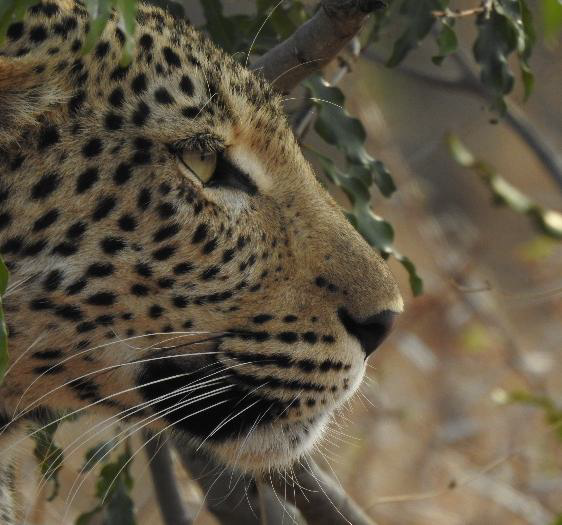
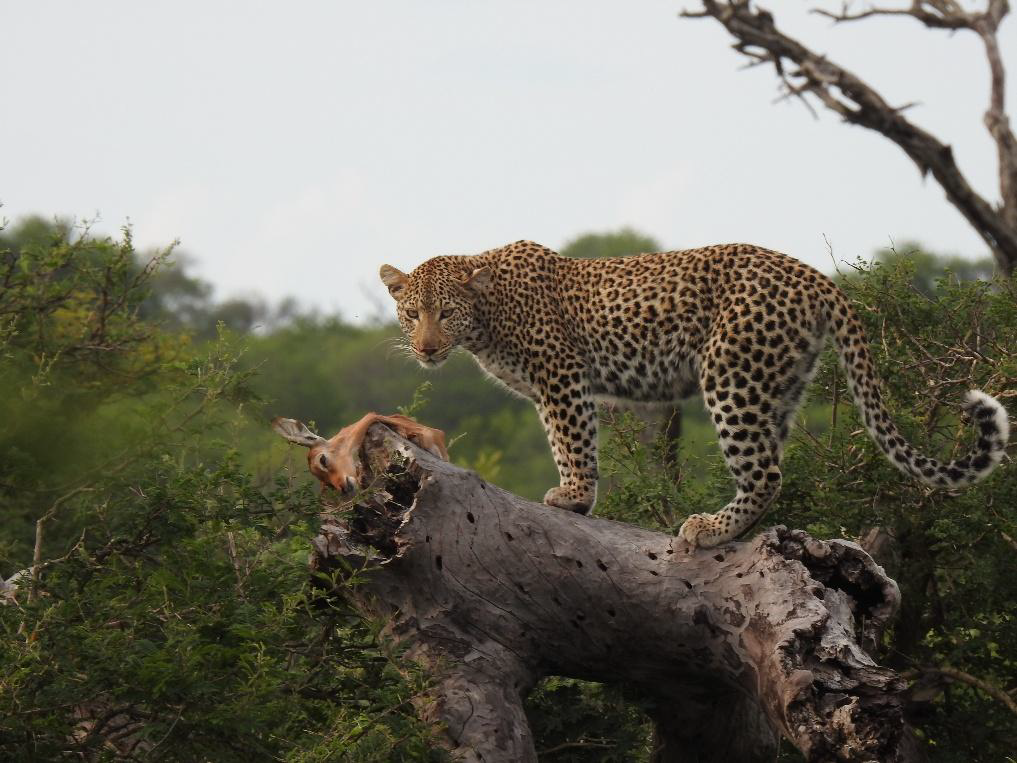
Watching Itchy and her sister Scratchy grow up was one of those quiet privileges that never lost its magic. Playful, mischievous and utterly captivating, these two cubs brought endless joy to guides and guests alike from the very beginning.
They were first discovered near Dabchick Dam, and it was their habit of chasing each other relentlessly through the bush that earned them their names, a nod to the infamous Simpsons characters that felt almost too fitting. Their mother is an extremely skittish female, rarely seen by anyone in the reserve, which made the contrast in her cubs’ behaviour all the more remarkable. Where she was elusive and wary, Itchy and Scratchy were confident, relaxed and completely at ease, a spectacle from day one.
They left their mother at an early age and moved north, spending much of their time around Willems Dam and later the Serengeti area, almost always in each other’s company. As time went on, their paths gradually diverged. Scratchy settled into her own rhythms while Itchy proved to be the more adventurous of the two, venturing north past the lodge and as far east as Thornybush. She is still seen in the Serengeti from time to time, always to the delight of the guides who watched her grow.
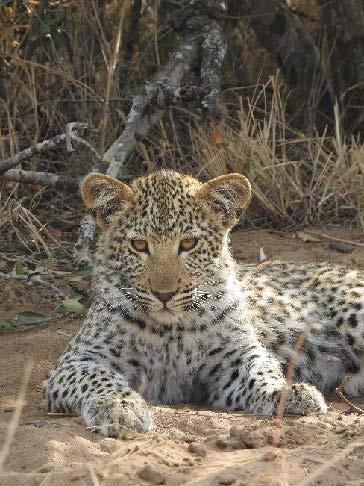
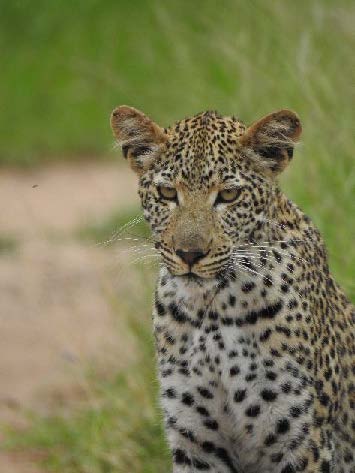
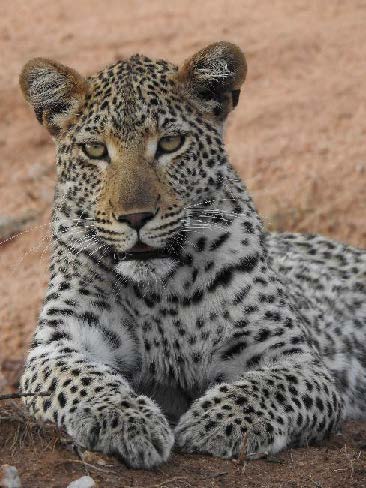
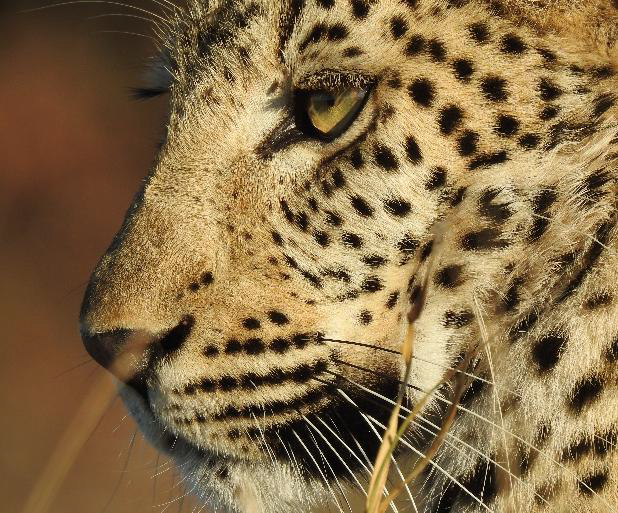
Scratchy (Xilondzo)
Female.
Sister to Itchy, watching these two playful, mischievous cubs grow up brought endless joy to guides and guests alike. They were originally found in the area of Dabchick Dam, getting their names from their playful demeanour, chasing each other around much like the infamous Simpsons characters. Their mother is an extremely skittish female, rarely seen, which made the contrast in her cubs’ behaviour all the more remarkable. Itchy and Scratchy were confident, relaxed and a spectacle from day one.
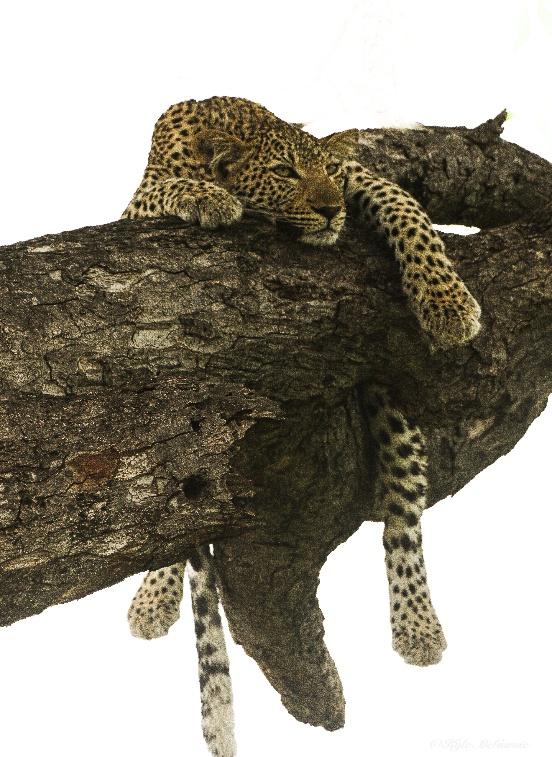
They left their mother at an early age and moved north, often seen around Willems Dam and then the Serengeti, but always together. As time marched on, they would go their separate ways. Scratchy, however, appeared to have found her solace closer to home. She is frequently seen in the area known as the Serengeti at Jabulani, hunting, lazing in trees and quietly observing the Jabulani herd. Don’t be too surprised if she makes an appearance at Marula Spot during an afternoon interaction either.
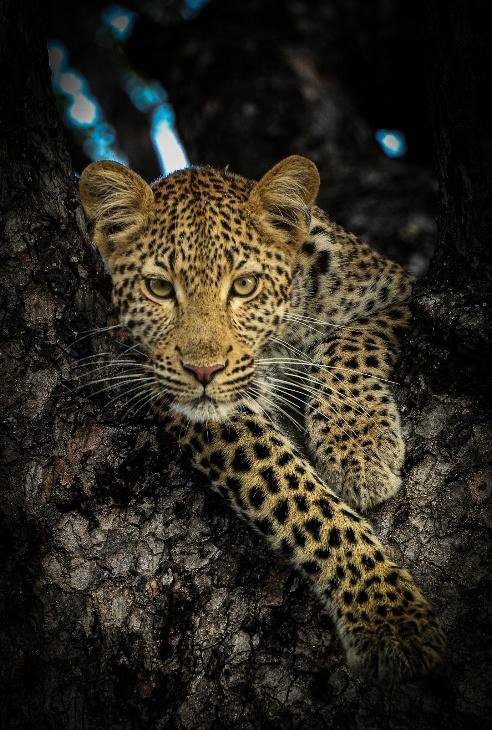
She is a photographer’s dream, posing at every opportunity and showing off those breathtaking eyes and unmistakable beauty.
Garfield
Male. Born May 2023.
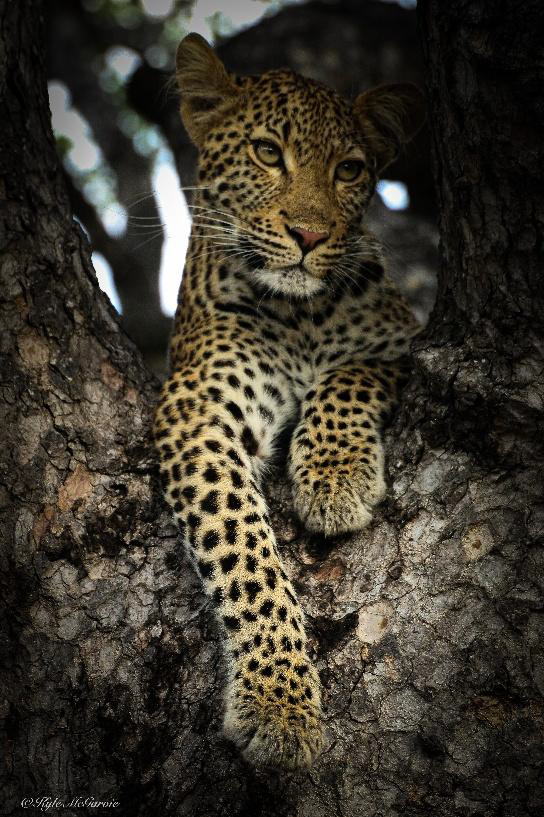
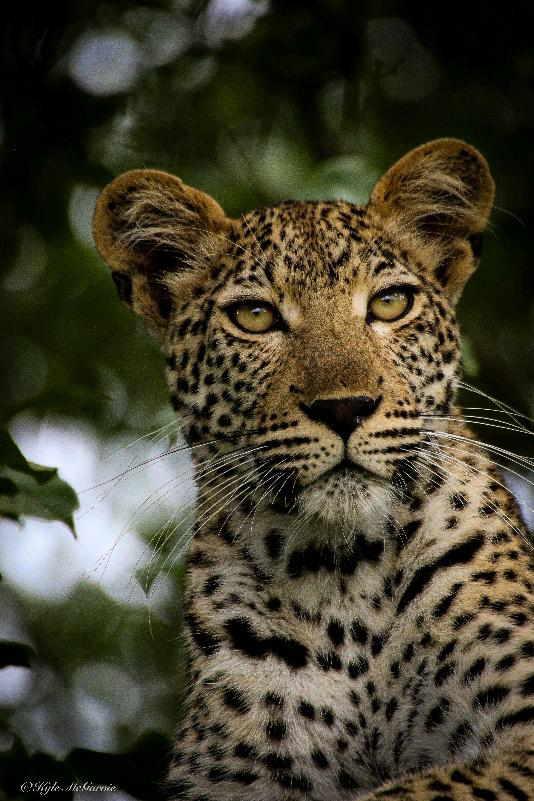
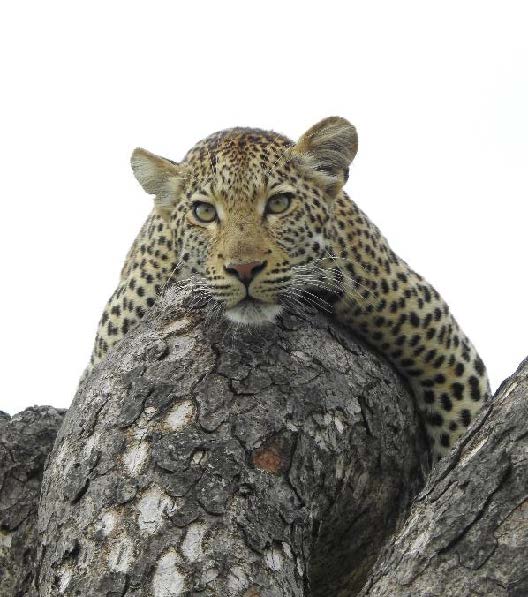
Son of Nkelekele and brother to Umgexo, Garfield is a young, emerging male who is already putting pressure on Hleketa for both territory and possible mates.
He got his name as a cub, always observed with a full, plump belly that bore an uncanny resemblance to the famous cartoon cat. He has since grown into his body and is quickly becoming a force to be reckoned with. Often seen in the Serengeti, he still frequents the area where he grew up around Kubu Dam and the Klaserie River.
He has been observed scent marking and vocalising, all the signs of a male looking to establish himself. But for now, Garfield remains constantly on the lookout, because Hleketa will surely not be far behind.
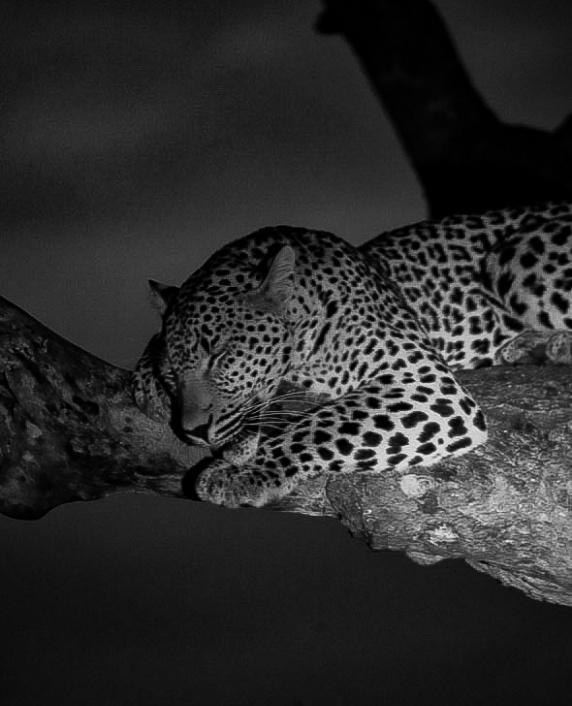
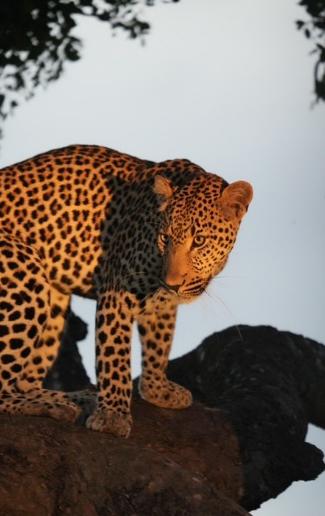
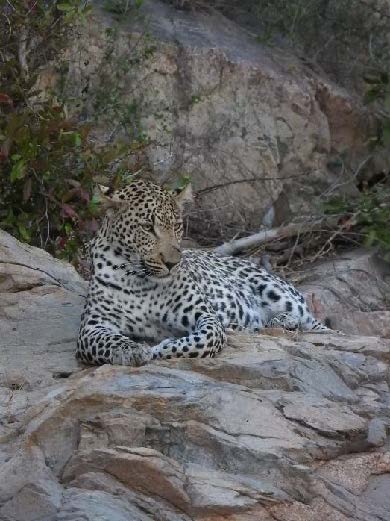
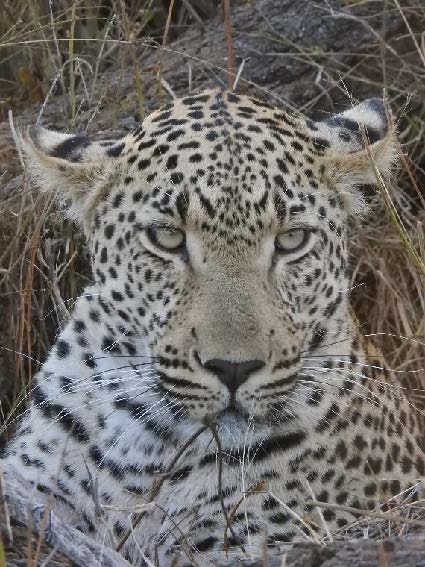
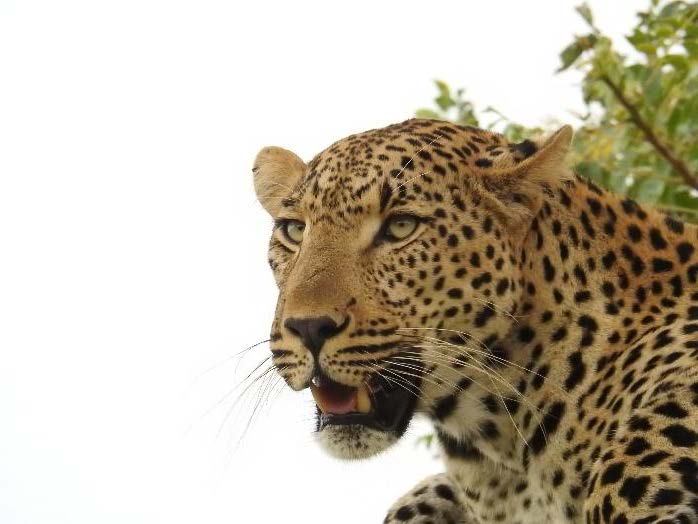
Monroe
Male.
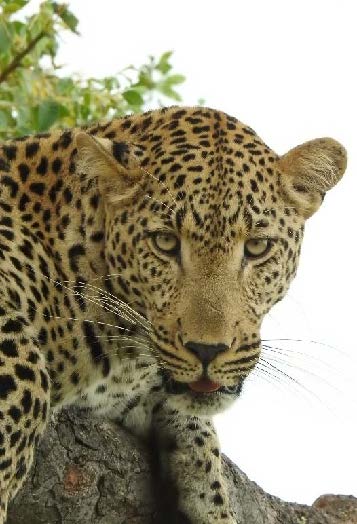
Smaller in stature than the likes of Hleketa and Garfield, Monroe more than makes up for it in curiosity and tenacity.
At one stage, Monroe would frequent the lodge daily, conducting what could only be described as an evening inspection, visiting every room with the confidence of someone who owned the place. He is no stranger to the waterhole at Villa Sompane either, having been spotted there on numerous occasions.
His opportunistic nature is relentless. Guides have observed him boldly claiming a share of both a wildebeest kill from the Guernsey Lions and an eland kill from the Bosplass Lions, never missing a chance when one presents itself.
Monroe got his name from a distinct marking that bears a striking resemblance to Marilyn Monroe’s famous beauty spot, a detail as charming as the leopard himself.
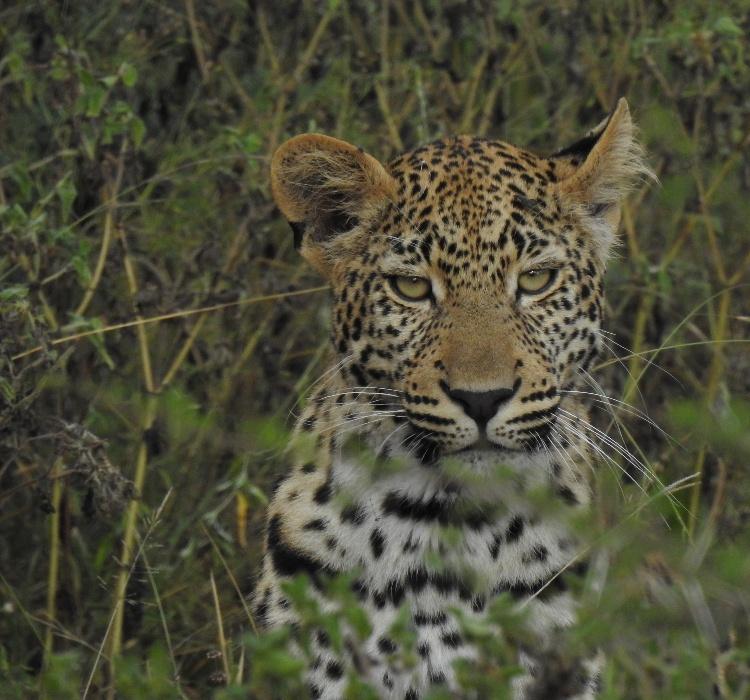
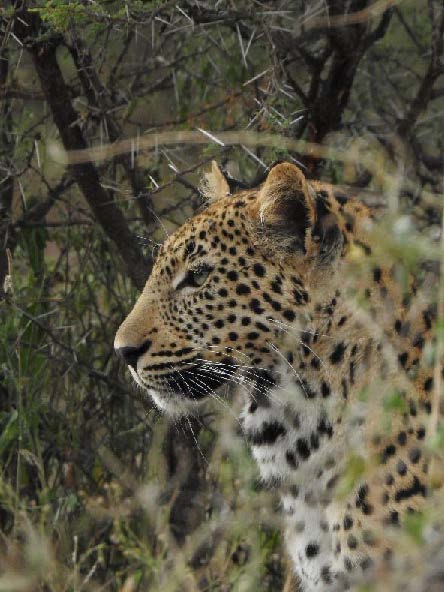
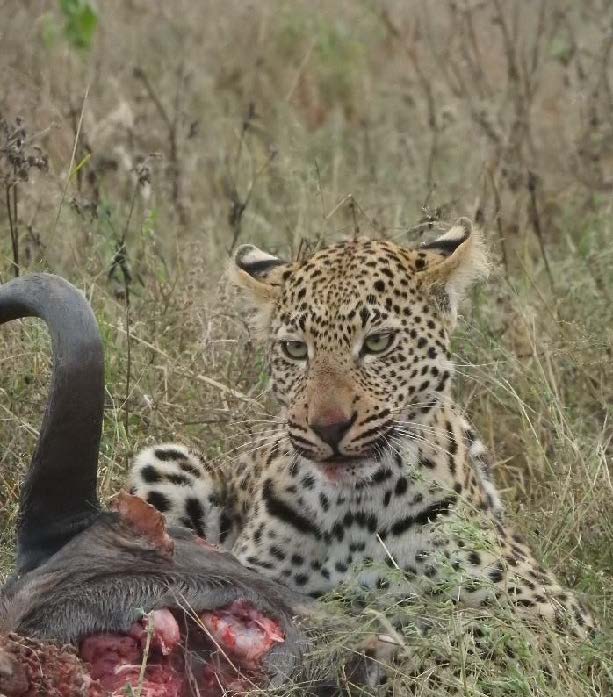
Hleketa
Male. Meaning: Thought, Think, Memory.
Hleketa is a large, dominant male whose territory is arguably the most expansive of all the male leopards at Jabulani. He is successful in every sense of the word, a skilled hunter, a prolific reproducer and a fierce defender of his ground.
He is currently facing competition from younger males like Monroe and Garfield, who are beginning to encroach on his territory. But Hleketa is not one to shy away from confrontation. He enforces his dominance on these younger males with great effect, and they know it.
What makes Hleketa truly special is the weight his presence carries. His territory extends beyond the reserve onto neighbouring properties, meaning a sighting is never guaranteed. He is, in the truest sense, a celestial event. Not an everyday occurrence, but when he does appear, there is something undeniably significant about it. Guides and guests who are lucky enough to cross his path tend to remember it for a long time.
When Hleketa is on the property, you make the effort. Every single time.
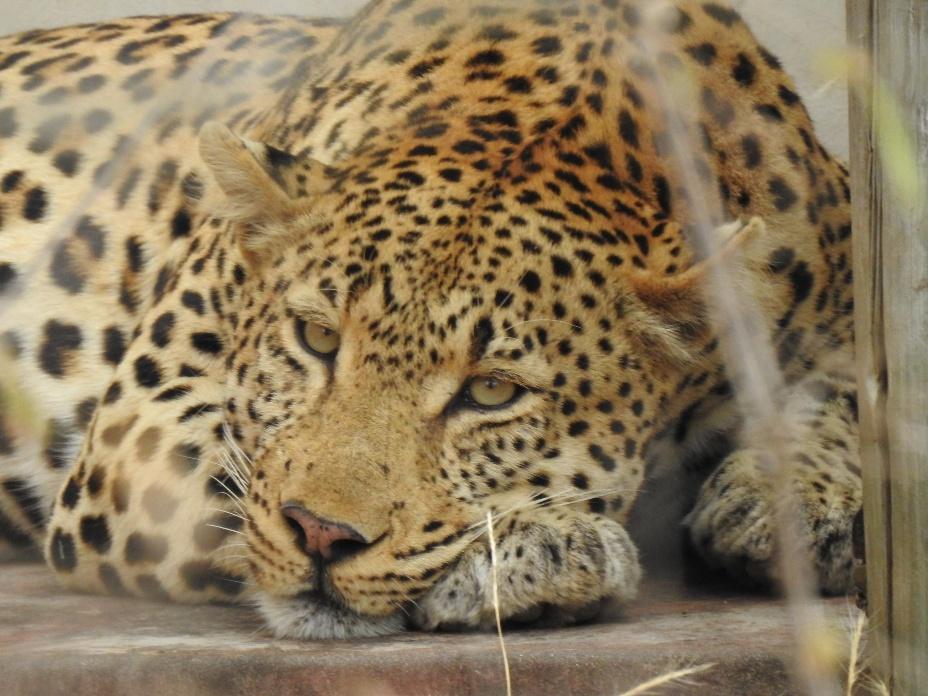
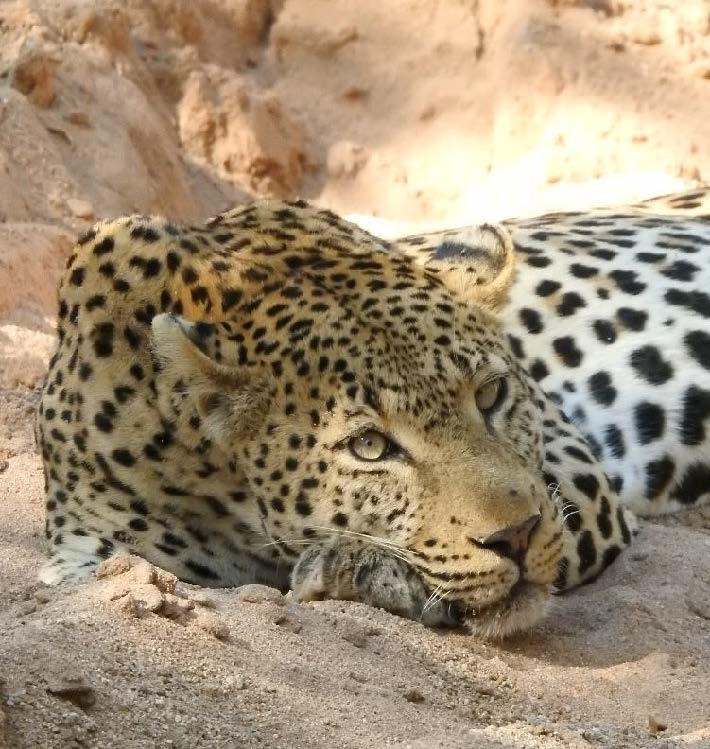
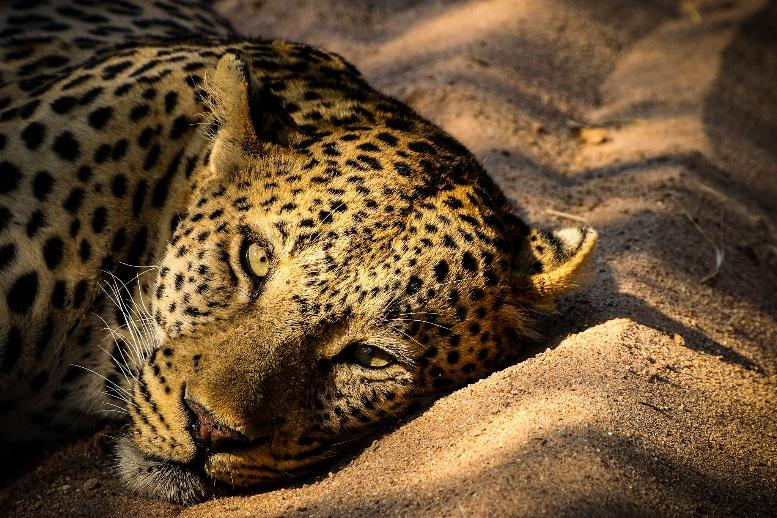
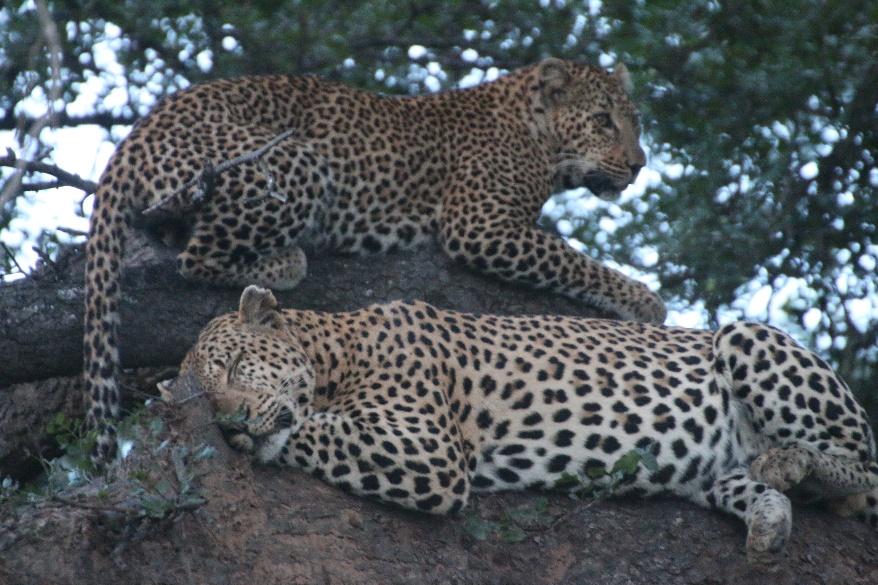
Xidulu
Female. Daughter of Matihlo, Mother of Xihlamhane.
For a long time, Xidulu was considered a flagship leopard of the reserve, and it is easy to understand why. Her relaxed demeanour, remarkable given her large and powerful stature, has resonated through generations. That calm confidence has passed down to her cub, who is already following in her footsteps as a spectacle and a source of fond memories for all who are lucky enough to see her.
Predominantly seen in the northwest of the reserve, Xidulu is an expert huntress who knows her terrain intimately. Rumour has it her name originated from the very first time she was spotted, tucked inside a termite mound, and the name Xidulu stuck from that day forward.
She is large, powerful and utterly captivating. But like all leopards, she can vanish in a heartbeat, which only makes every sighting of her feel that little bit more special.
Xihlambana
Female. Cub of Xidulu. Meaning: Cheeky.
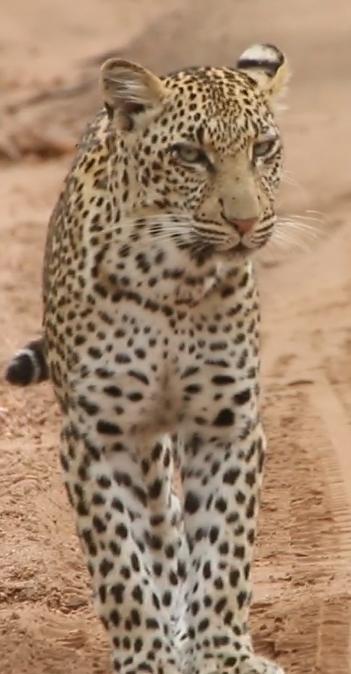
Playful, curious and adventurous are just a few words that come to mind with this youngster. She is growing in stature daily, evolving from the playful cub of yesterday into a leopardess who looks set to do her mother’s legacy proud.
She is still seen within a portion of Xidulu’s territory, but it will be fascinating to watch where she ultimately moves and establishes herself, particularly given the fierce competition in the area. True to her name, she has already shown a boldness that sets her apart, having been spotted outside the reserve, exploring Moditlo Wildlife Estate, as if the boundaries of Jabulani were simply not enough to contain her.
Cheeky, indeed.
Nharhu
Female.
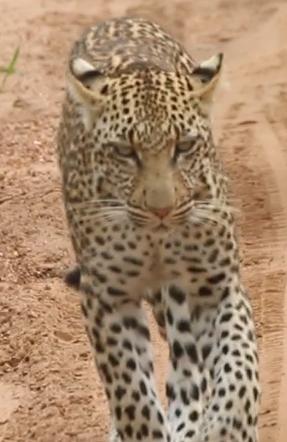
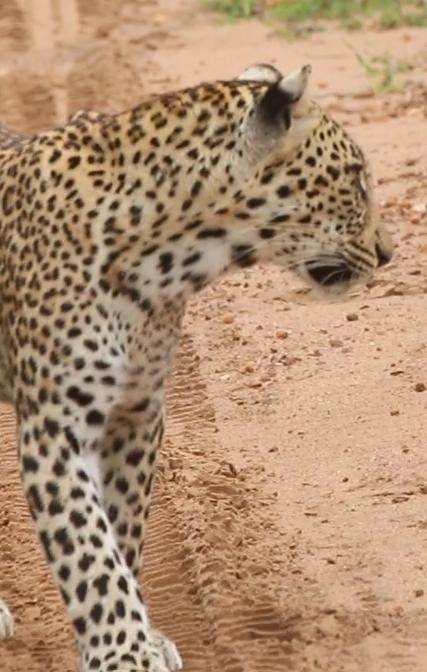
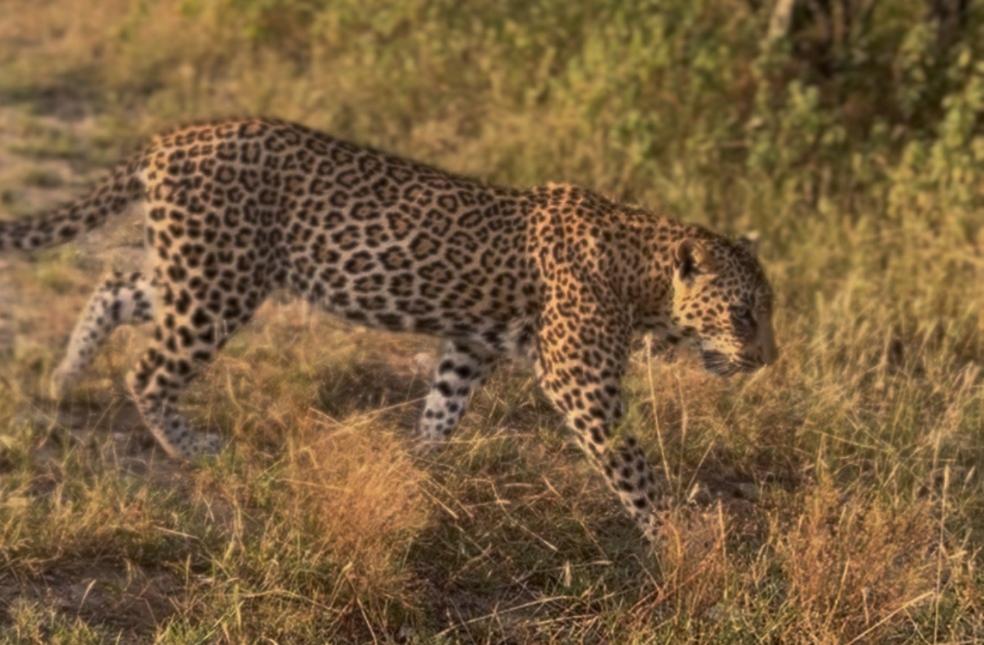
Nharhu epitomises the saying that hard work pays off. She will make you work for time with her, testing your patience and your dedication. But once that work is done, she has the ability to create memories you simply will not forget. She is extremely photogenic, the kind of subject that makes every guide quietly grateful they persisted.
What makes her sightings even more rewarding is the chance of seeing her alongside her offspring. No longer a cub, the two are still frequently spotted together, whether sharing a kill or lounging side by side in a riverbed. It is a rare and beautiful thing to witness, a reminder that the bond between a leopard and her young does not simply disappear when independence arrives.
With Nharhu, the effort is always worth it.
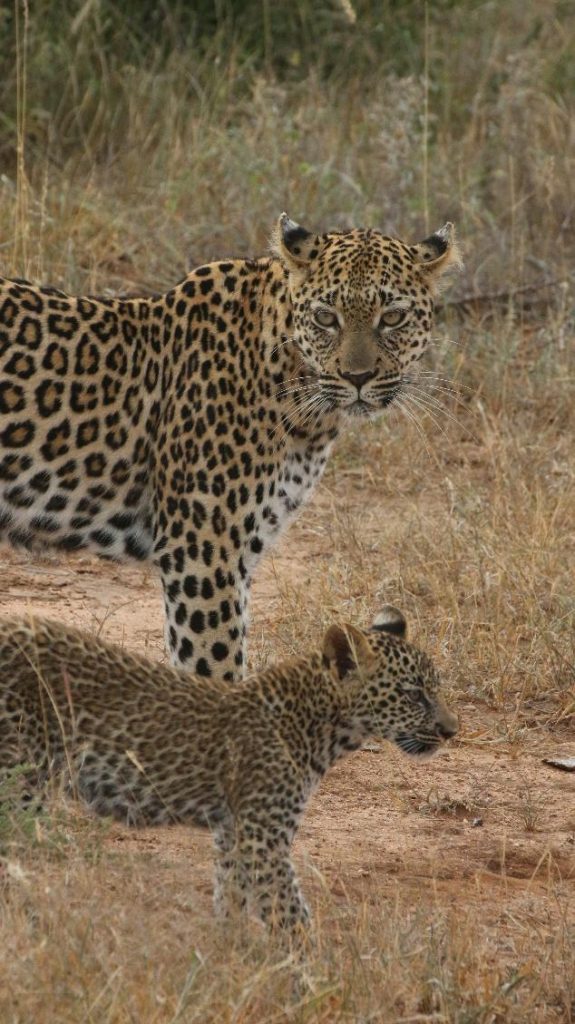
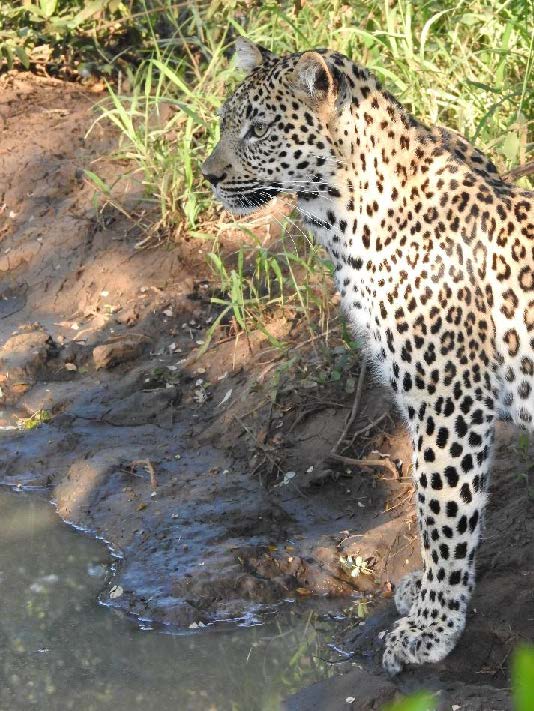
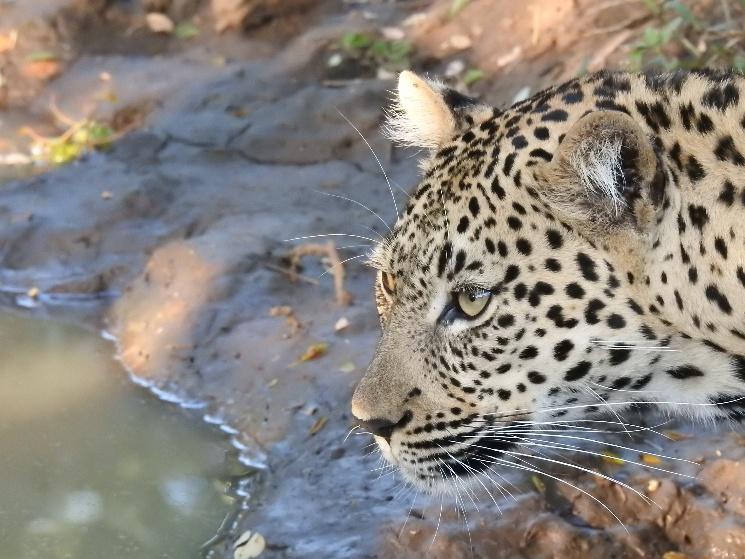
Nkelekele
Mother of Umgexo and Garfield.
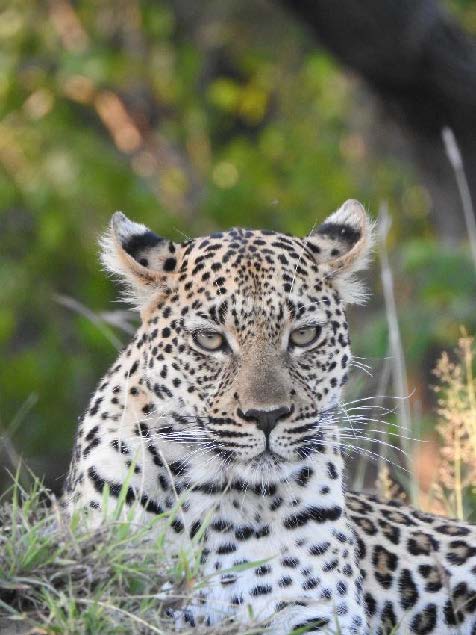
Nkelekele is responsible for two of the most remarkable leopards currently on the reserve, and her own story is just as compelling. She predominantly frequents the area around Kubu Dam and Masuthu Plains, and is typically seen on the ground rather than in trees, a behaviour that sets her apart from many of her counterparts.
Although more confident under the cover of night, she is by no means shy. When she has young with her, she is not afraid to show them off, giving guides and guests those rare and precious family moments that are so difficult to come by. She has also been observed mating with Hleketa in recent months, which has everyone quietly watching and waiting to see what comes next.
Given the calibre of the cubs she has already produced, anticipation is entirely justified.
Umgexo
Female. Daughter of Nkelekele, Sister of Garfield. Meaning: Necklace.
Umgexo frequents a quieter corner of the reserve, often observed around Mokwalu, the Klaserie River and further south towards Kubu Dam. Sightings are not as frequent as some of her counterparts, but she never disappoints when found.
She carries herself with a quiet confidence that feels entirely her own, and much like her brother Garfield and her mother Nkelekele, she has become a firm favourite among the Jabulani family. There is something about this family line that simply captivates, and Umgexo is no exception.
When the effort is made to find her, she makes it count.
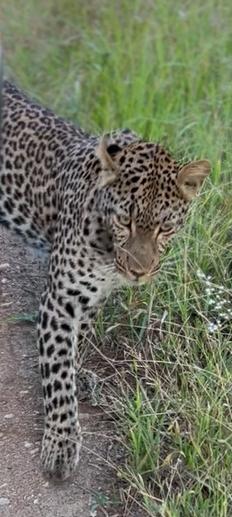
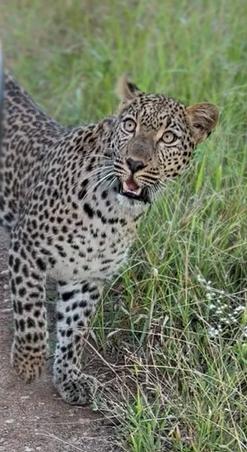
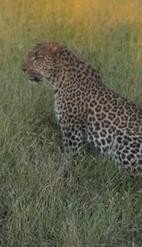
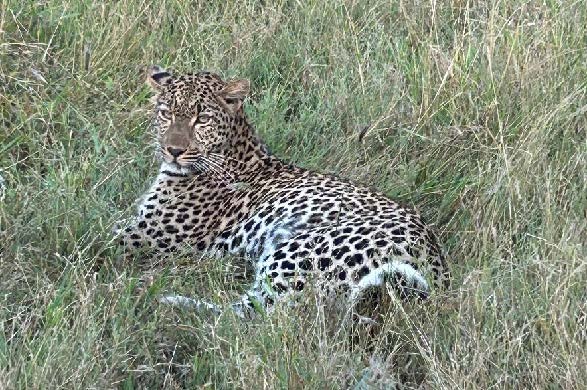
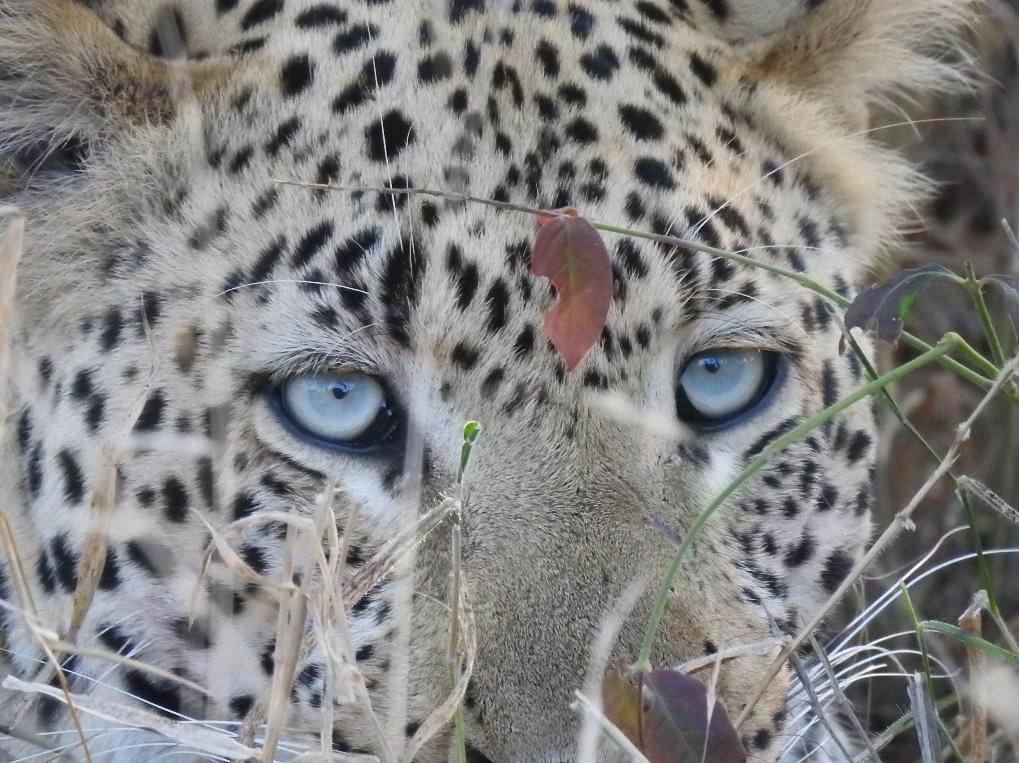
The Blue Eyed Male
Unnamed Male.
He does not have an official name yet, and we do not have enough footage to establish a full identification kit. But he has already made an impression that is difficult to shake.
His piercing blue eyes are truly remarkable. That icy, unflinching gaze has a way of stopping you completely, and one can hardly be blamed for getting lost in the moment. There is something about him that feels significant, unhurried and aware in equal measure.
Many believe he may be the offspring of the infamous Monzo, a detail that only deepens the intrigue. We are watching, gathering footage and waiting for him to reveal more of himself.
The name will come. For now, those eyes are more than enough.
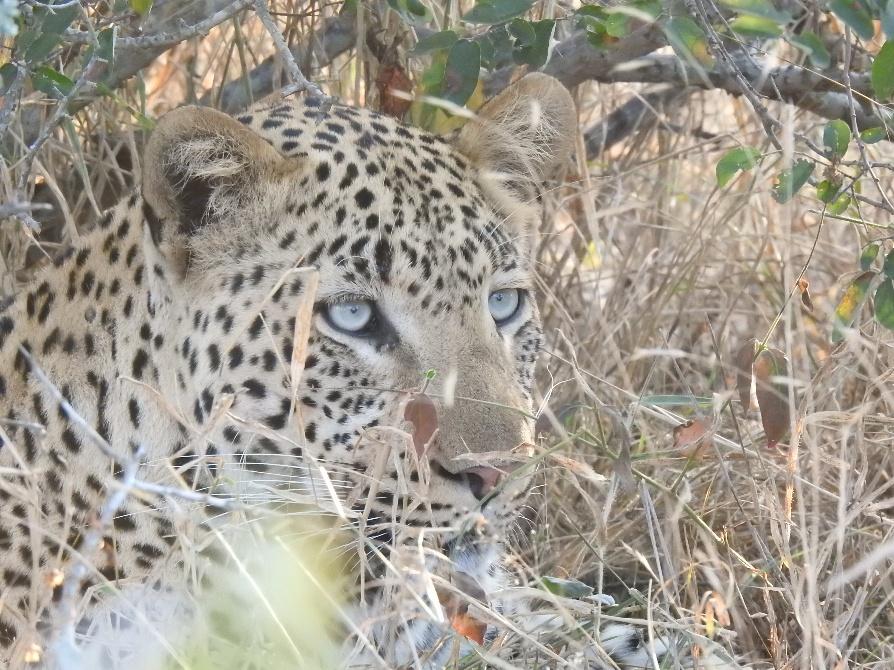
Xipoko
Female. Meaning: Ghost.
Xipoko lives up to her name in every way. First discovered by Nathan, this elusive female has only been seen on three occasions, by Nathan, Don and Kyle. Sightings are rare, brief and quietly special.
She is a skittish female and we respect that, always being mindful of her comfort zones and giving her the space she needs. The hope is that with time and patience, trust will follow. This matters more than it might seem, because we know she is successfully reproducing. One day, Xipoko may reward that patience with something truly extraordinary, those highly sought after mother and cub moments that every guide and guest dreams of.
For now, she remains exactly what her name suggests. A ghost. Glimpsed, never held.
Xipoko’s Cub
First discovered by Nathan on the HD cutline close to Mzansa Dam, this little bundle of joy has only been seen once since, by Kyle, on Whiskey 1 close to the link to Koggamander Pan. The encounters have been brief enough that we have not yet been able to determine the sex of the cub.
What we do know is that this youngster is the youngest known leopard currently on the property, still moving in close proximity to mom. And given that Xipoko continues to live up to her reputation as the ghost of the reserve, there is good reason the two of them are so rarely seen together. When a mother is that elusive, her cub tends to disappear right along with her.
We are watching, waiting and hoping. The best is likely still to come.
LF0031
Unnamed Female.
LF0031 is a leopard we are still getting to know, and that sense of discovery is part of what makes her so intriguing. She has been observed in recent times denning in the bana grass around the elephant homestead, a detail that has not gone unnoticed by the team.
We suspect her territory ranges somewhere between the lodge and the Klaserie River, but time will tell. Every sighting adds another piece to the puzzle, and we are watching with great interest to see how her story unfolds.
She may not have a name yet, but she already has our attention.
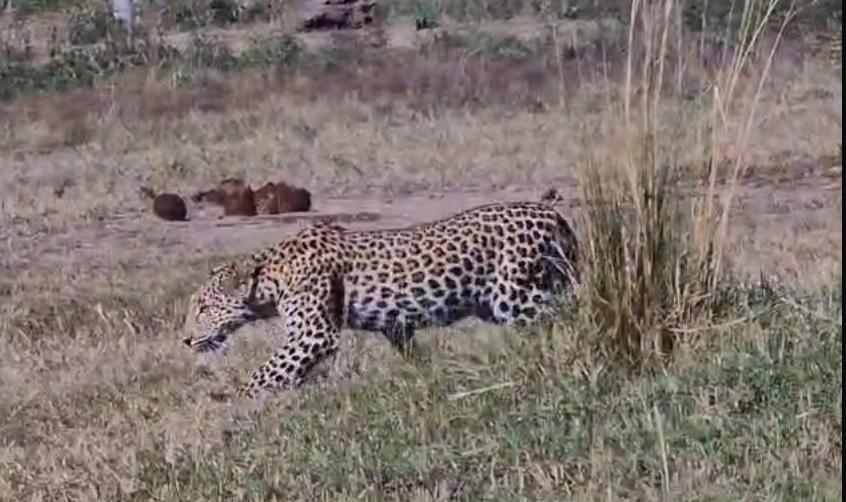
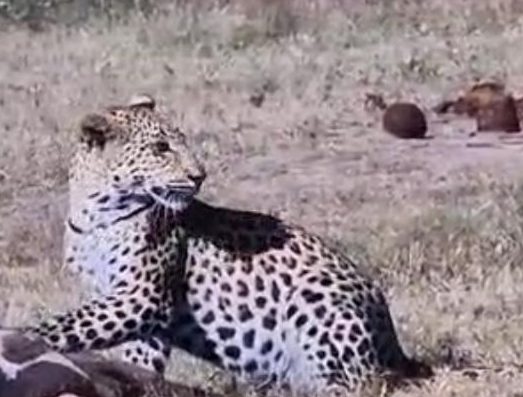
The leopards of Jabulani are a reminder of why wild spaces matter. They cannot be scheduled, predicted or guaranteed, and that is precisely what makes every encounter so profound. Each sighting is a privilege earned, a moment of connection between the human world and something far older and far wilder than ourselves.
We hope this has given you a glimpse into the lives of these remarkable animals. Whether you are visiting for the first time or returning to a place that already lives in you, we look forward to sharing these moments with you in the bush.
Our sightings and data contribute to something bigger than the reserve itself. Jabulani is a proud partner of the Ingwe Research Program, committed to the long-term conservation of leopards across South Africa.