


Understanding the Grace of Giraffes | A New Perspective on an Icon of the Bushveld
by Jabulani Safari Brand and Media Manager
 Comment

There are animals in the bushveld that invite contemplation.
The giraffe is one of them.
At Jabulani, their presence feels almost symbolic.
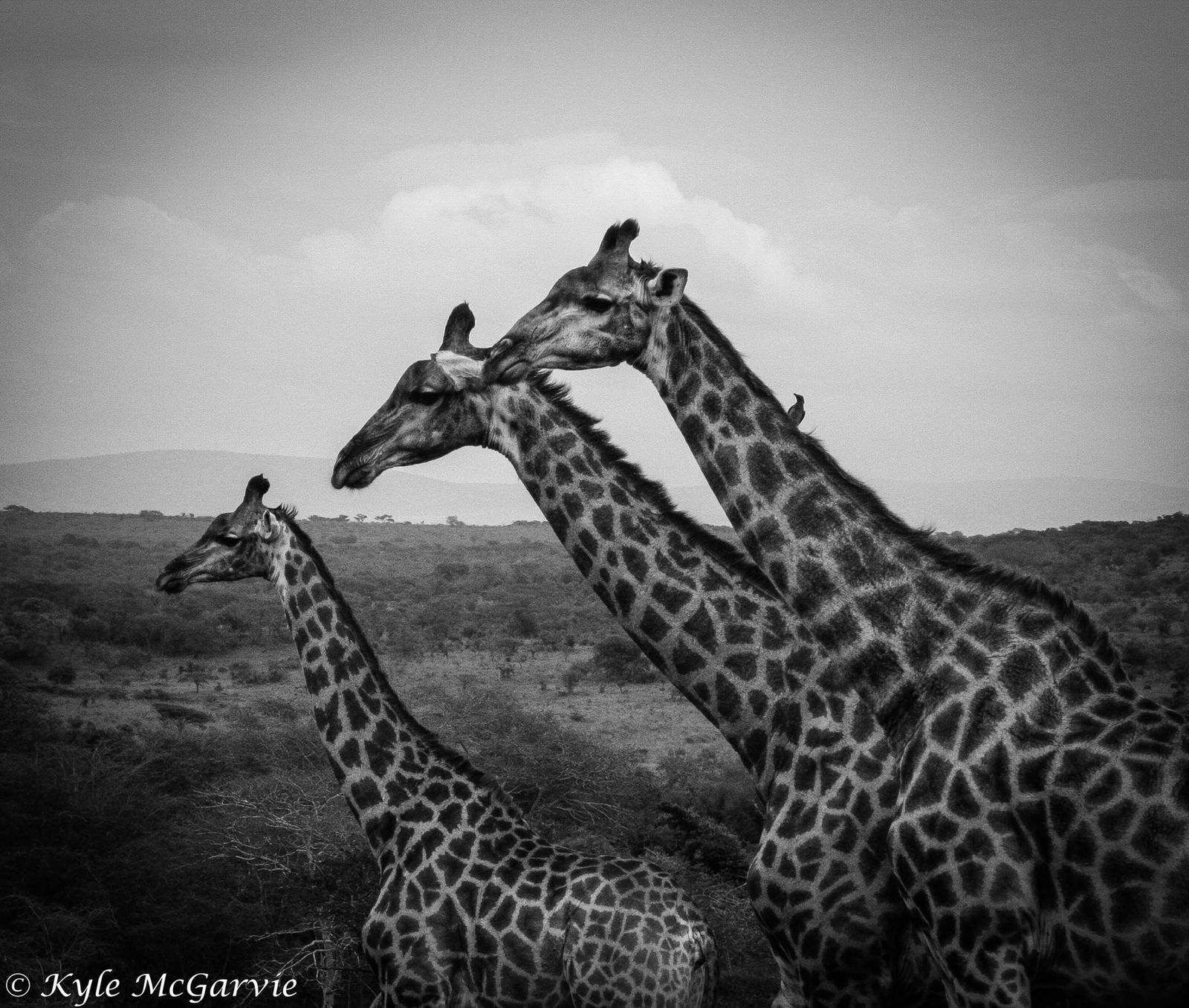
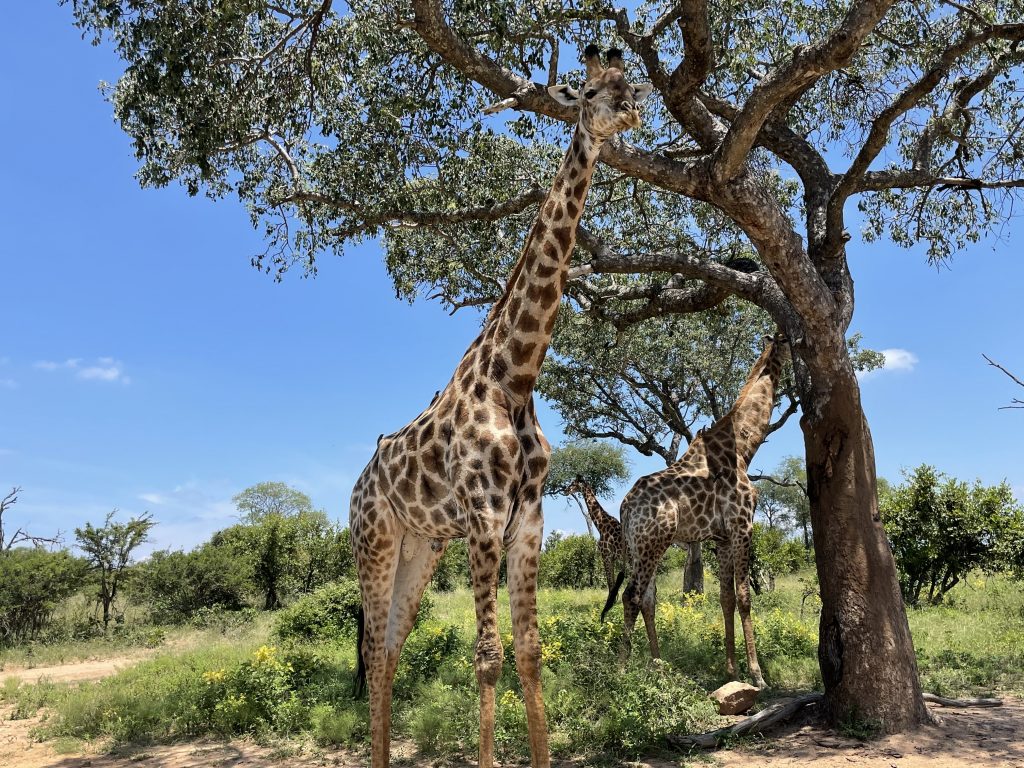
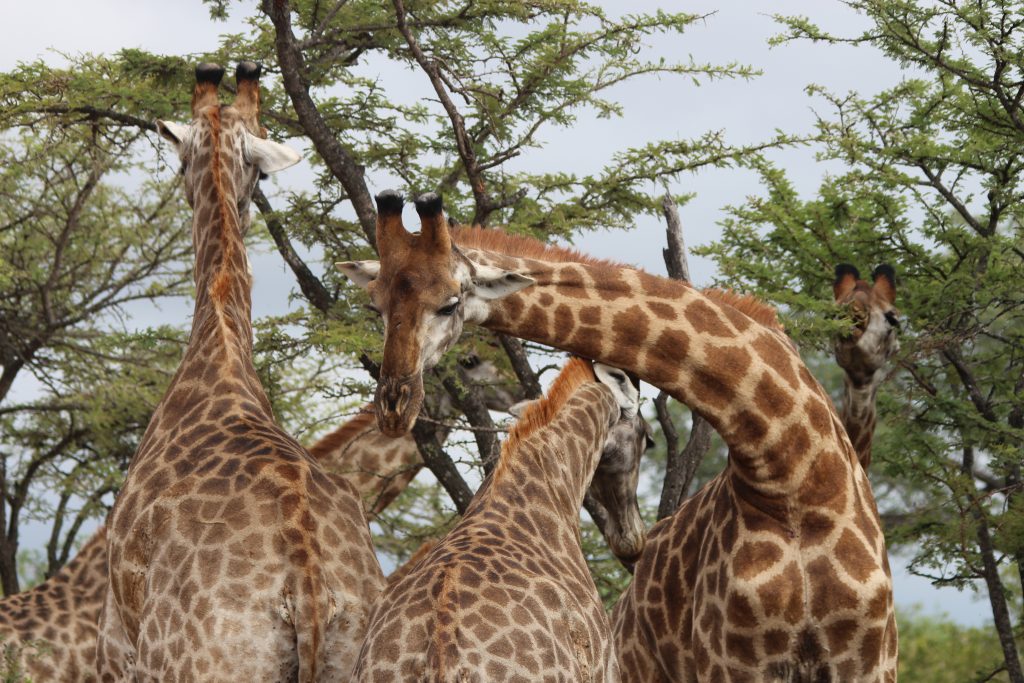
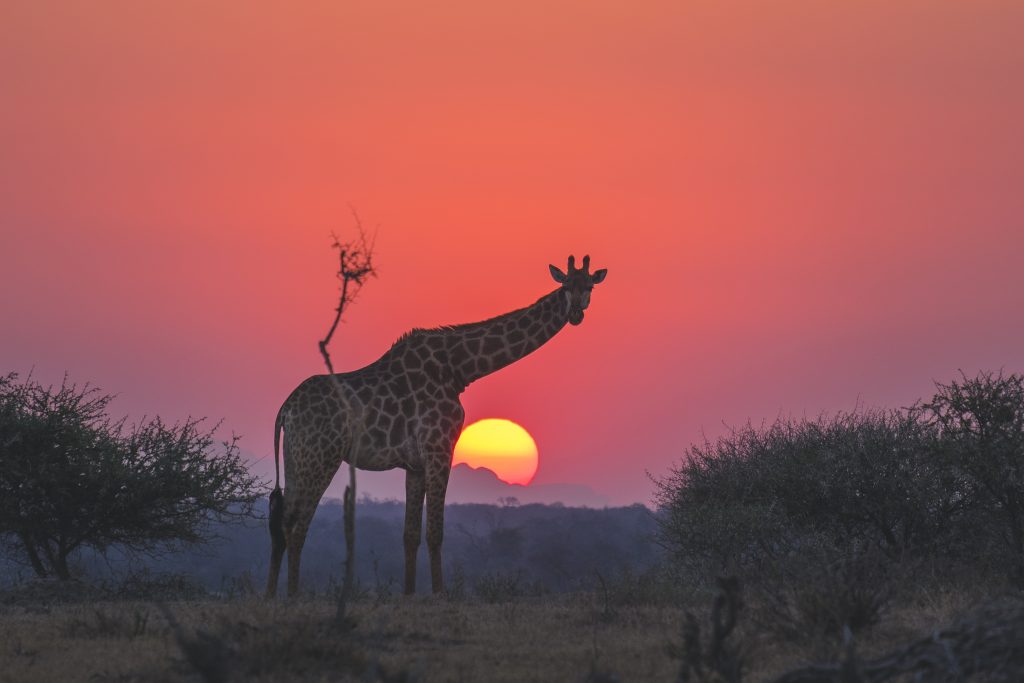
Tall silhouettes drifting between knobthorns and marulas.
Slow, deliberate movements that seem untouched by time.
A calm that settles over the landscape as they pass.
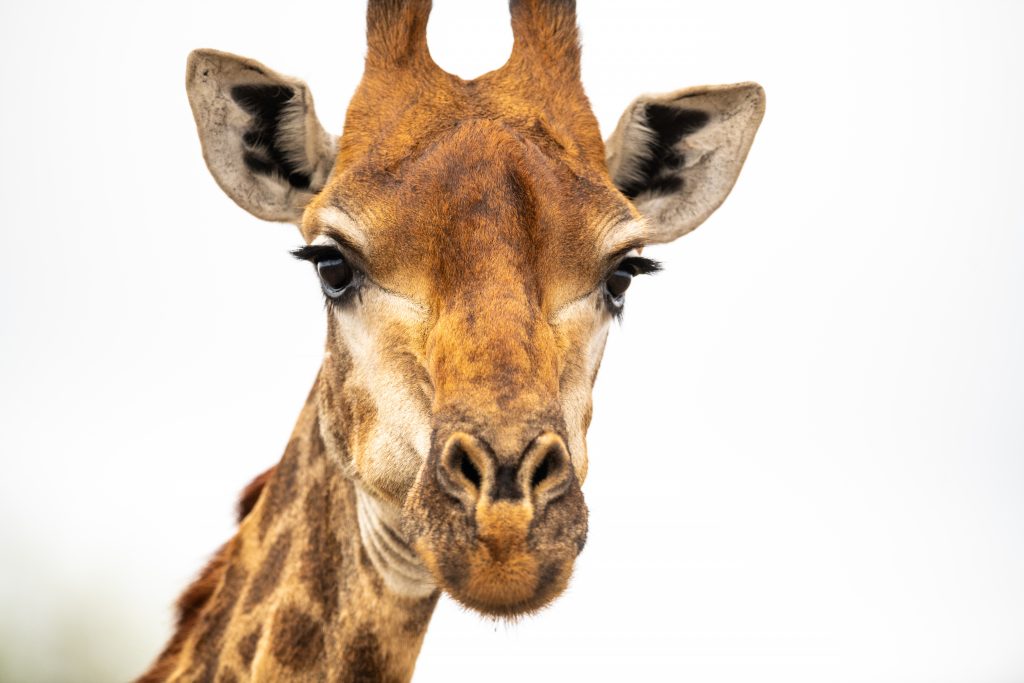
For years, we have admired giraffes for their height, their elegance and their gentle command of the savanna.
Yet new research from the University of Pretoria and the University of Adelaide offers a deeper insight into what makes these animals so remarkable. It invites us to look not only at the beauty of the giraffe, but at the extraordinary biology that allows it to thrive in this environment.
This study reveals something unexpected.
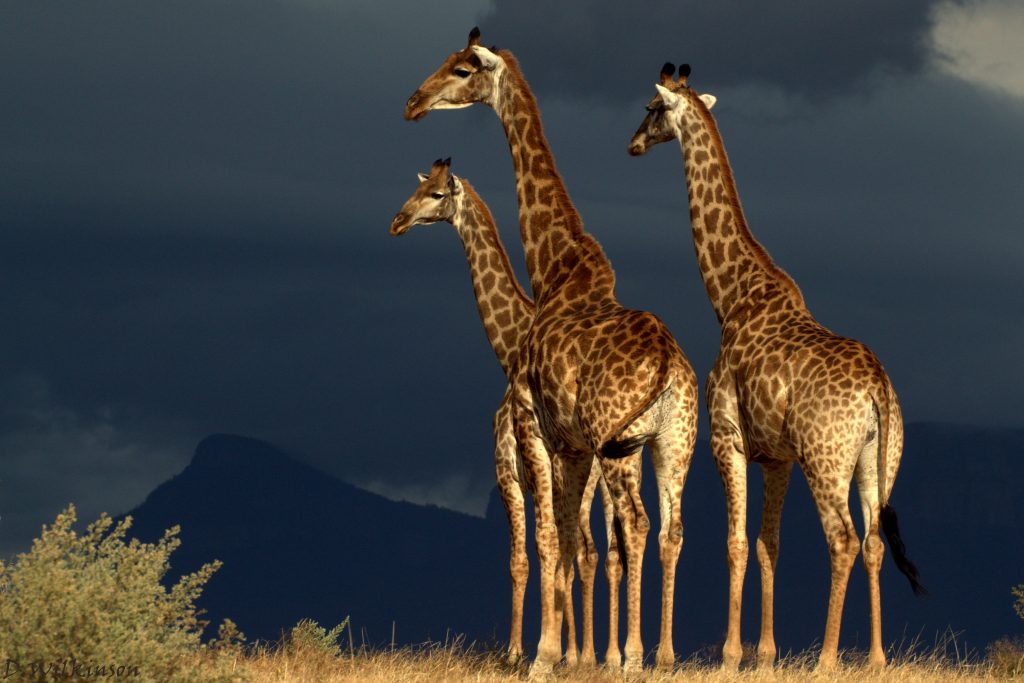
The giraffe’s long legs are not just part of its iconic profile.
They are essential to how the animal survives.
The Subtle Science Behind a Familiar Shape
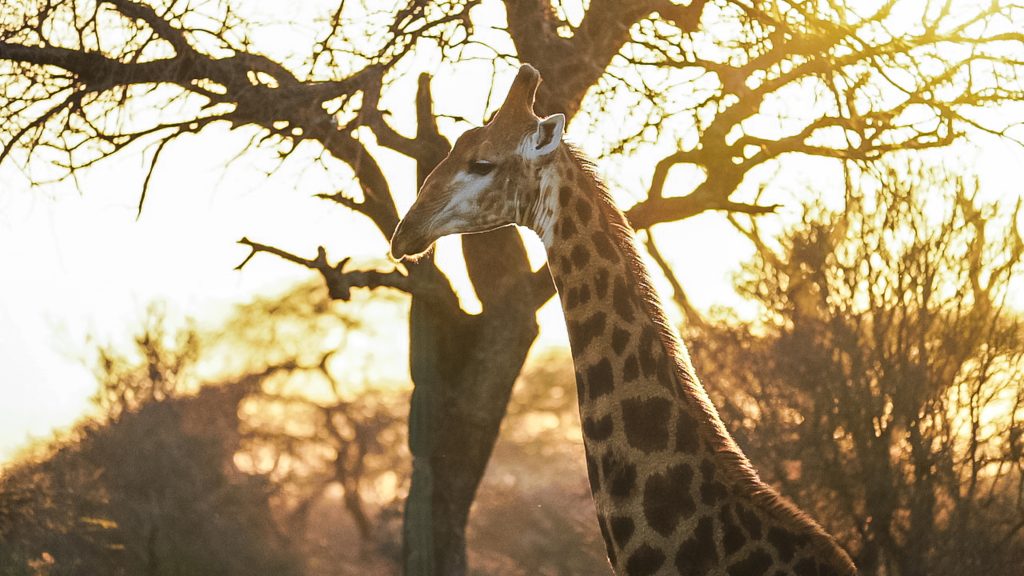
When guests encounter giraffes at Jabulani, the first impression is always the same: effortless height.
But height, in the natural world, comes at a cost.
A giraffe’s brain sits more than two metres above its heart.
To stay conscious, alert and balanced, the heart must work at pressures two to three times higher than ours.
This effort consumes enormous energy every single day.
The new UP–Adelaide study, published in the Journal of Experimental Biology, set out to understand how giraffes manage this challenge.
Through a virtual model called the “elaffe”, a creature imagined with a giraffe’s long neck but the shorter legs of an eland, scientists explored what would happen if giraffes achieved their height differently.
The answer was striking.
Long legs aren’t just useful.
They are essential.
Why Long Legs Matter More Than We Knew
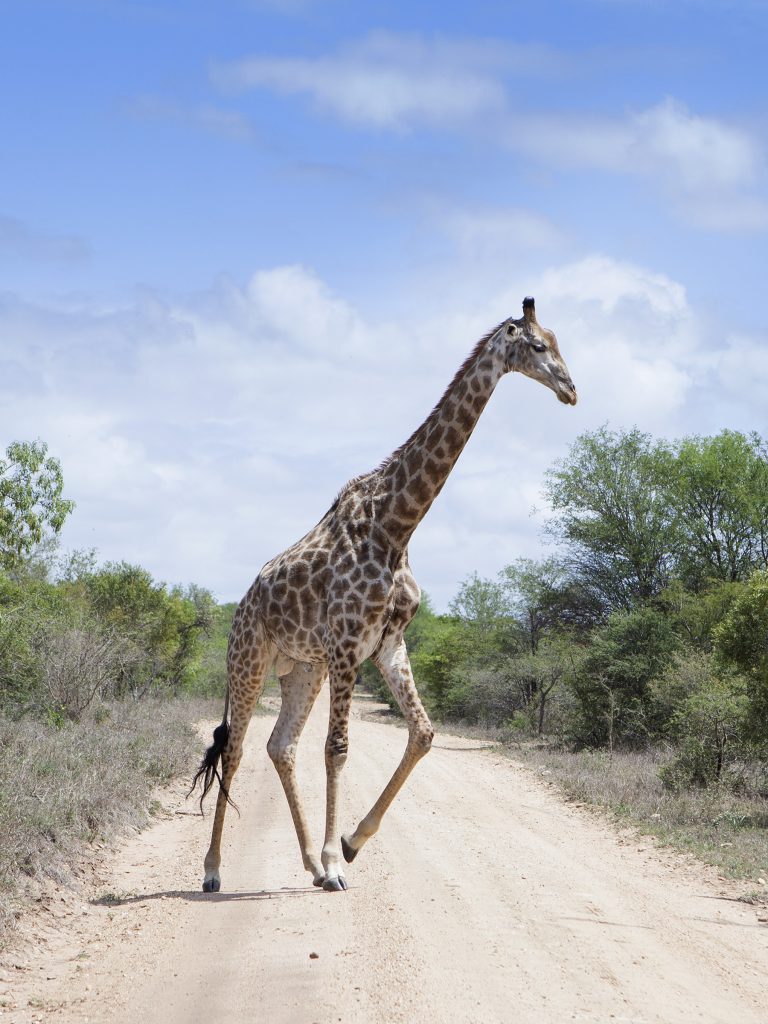
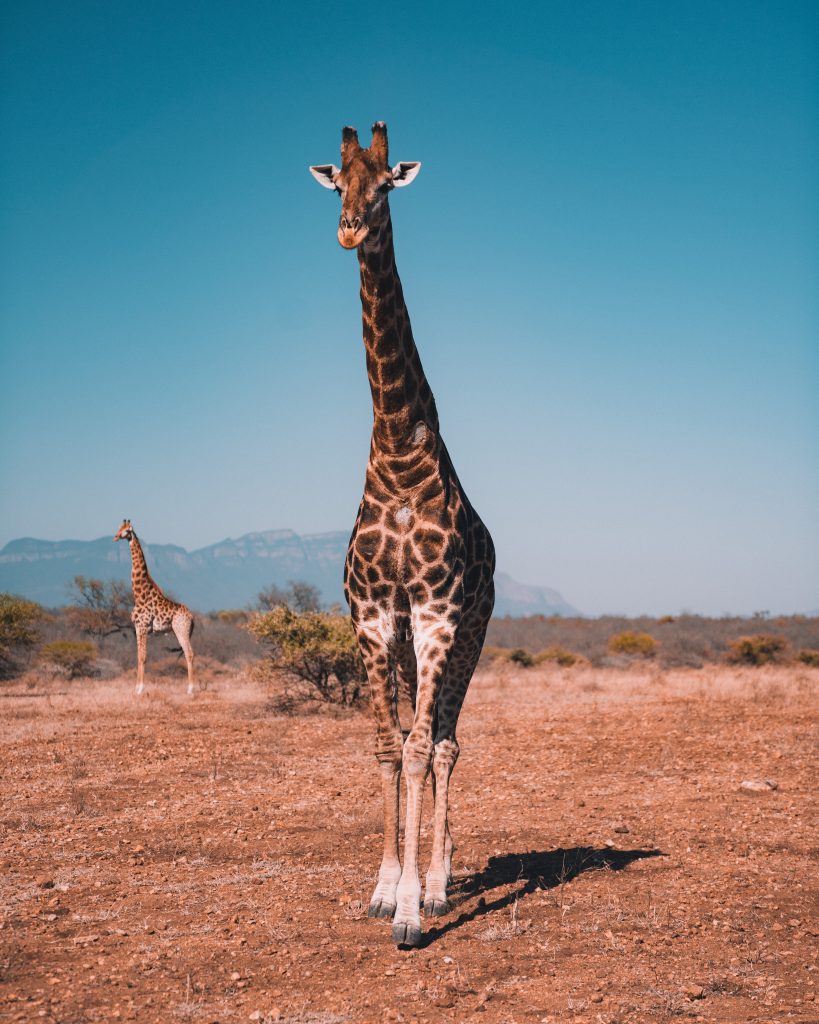
The study found that long legs bring the giraffe’s heart closer to its brain.
This reduces the distance blood must travel.
And that simple shift changes everything.
Without these long legs, a giraffe would need thousands more kilojoules of food every day just to power its heart.
Over a year, that would amount to more than a tonne of additional foraging, an impossible demand in a landscape where energy must be preserved, not wasted.
Long legs are nature’s elegant compromise:
a way of achieving height without overwhelming the animal’s cardiovascular system.
They also give giraffes their sweeping stride, their quiet efficiency and their ability to move across great distances with an almost meditative calm.
Here at Jabulani, guests often notice how giraffes seem to float above the savanna.
Now we understand that this grace is not simply aesthetic; it is a finely tuned survival strategy.
The Strength and Fragility of a Tall Life
With every adaptation comes a trade-off, and the giraffe is no exception.
Their long legs make drinking difficult, forcing them to splay in a vulnerable posture at waterholes.
They limit speed and acceleration, meaning a startled giraffe cannot outrun a big predator with ease.
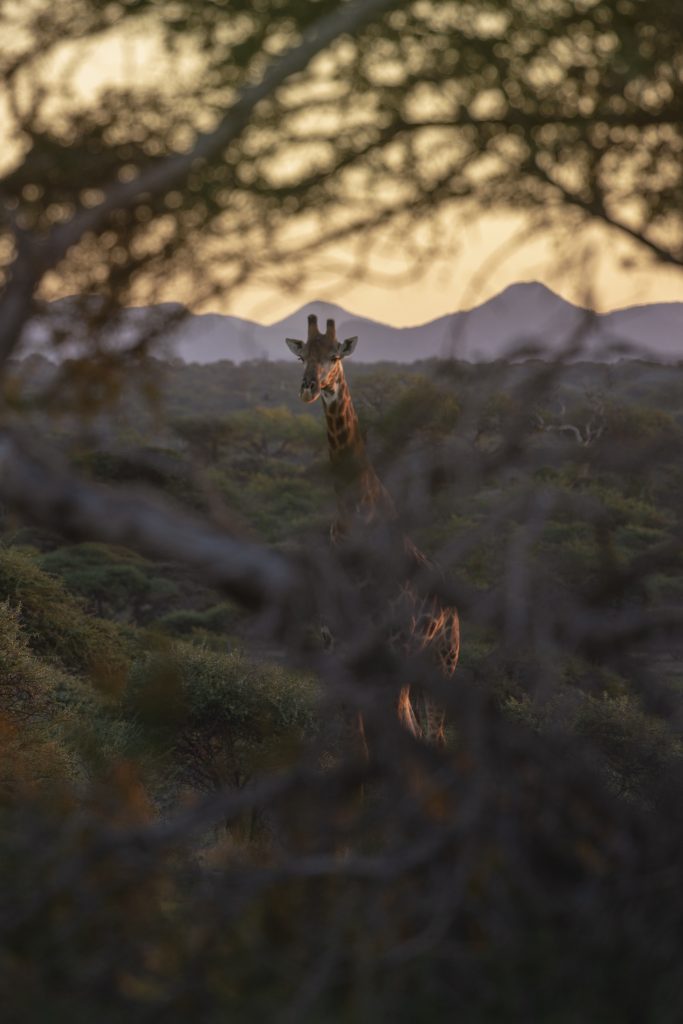
They demand constant vigilance and a careful reading of the landscape.
Yet it is precisely these contrasts of elegance paired with fragility, strength paired with compromise, that make the giraffe an animal of quiet power.
A reminder that survival in the wild is not always about dominance, but about balance.
Seeing Giraffes Through a New Lens
Scientific insights often illuminate what the heart already knows.
The giraffe has always been a creature of subtle brilliance, a blend of form and function shaped over millions of years.
What this new research offers is a clearer understanding of that brilliance, an invitation to look again, and with deeper appreciation.
At Jabulani, giraffes move through our reserve as gentle teachers.
They show us what patience looks like.
What adaptation requires.
What it means to rise above challenges without rushing through them.
Their long legs are more than a defining feature.
They are a testament to evolution’s quiet ingenuity and a reminder of how every creature in the bushveld carries a story far richer than what first meets the eye.