


Where Food Meets the Wild: Practical Innovation in the Jabulani Kitchen
by Jabulani Safari Content Writing Team
 Comment

Walk past the Jabulani kitchen in the early morning, and you will hear chopping boards humming before the first game drive returns. On World Food Day 2026, guided by the theme Innovate Today. Nourish Tomorrow, our focus turns to how an African safari lodge translates ethical dining into daily, living practice. Rather than presenting ourselves as an entirely self-sufficient farm-to-table estate, we recognise our place in an evolving learning curve. Living in the Greater Kruger area teaches you that wilderness runs on its own terms, so our culinary journey is grounded in honest curiosity, patience, and testing practical ways to tread lightly on the land.


Our food philosophy draws deep inspiration from our place within Relais & Châteaux, an international association of independent chefs and hoteliers who champion responsible dining. Relais & Châteaux recently demonstrated the power of collective hospitality action through its SOS for Biodiversity initiative, joining Ethic Ocean to demand an immediate end to the commercial fishing, trade, and culinary service of the critically endangered European eel, giving the species room to recover.
Mauro Colagreco, Vice President of Chefs for Relais & Châteaux and UNESCO Goodwill Ambassador for Biodiversity, captured the heart of this movement:

Chef Colagreco frequently describes his outlook by noting, “I like to think of myself as a gardener in a chef’s jacket”. That perspective sits close to our hearts, reminding us that cooks are partners with the soil rather than consumers detached from it. While the European eel calls for protection in distant marine waters, that exact stewardship guides our kitchen on the private reserve. Looking after biodiversity requires active accountability across every stage of sourcing, protecting wild ecosystems whether they are oceanic waterways or ancient bushveld earth. That marine commitment translates directly into our everyday purchasing, as we source our seafood through ABALOBI, a South African social enterprise supporting small-scale fishing communities through fully traceable, community-supported fisheries data.
Practical curiosity recently sparked a rewarding experiment right outside our kitchen door. Ruan, General Manager of Jabulani Safari, envisioned an on-site mushroom garden to supply our chefs with specialty fungi while cutting down on transport miles. When Bianca Dunkley arrived for her practical training, studying towards a Nature Management Diploma at Newbridge Graduate Institute (NGI), she teamed up with Ruan to turn that concept into living reality.
Bianca brought a genuine passion for alternative cultivation after exploring aquaponics during her studies. Aquaponics brings fish and vegetables together in a balanced living cycle, where fish swim in tanks while plants grow in soil-free water beds above. Beneficial bacteria convert fish waste into organic plant food, and the clean water recirculates back to the fish. Experiencing how natural cycles support one another inspired Bianca to test closed-loop ideas with fungi when the opportunity arose on the reserve.
Step behind the lodge today, and you will find mushrooms thriving in two imaginative ways. In recycled containers drilled with ventilation holes, grey oyster mushrooms and vibrant pink elf oyster mushrooms sprout from bundles of pasteurised hay. Preparing the hay is a real labour of love, requiring a full twenty-four hours of soaking in boiling water before the team hangs the bundle up to drain until moist. Nearby, shaded hardwood logs hold shiitake mushrooms, started by hammering mycelium-inoculated wooden dowels into drilled openings. Shiitake logs take between six to twelve months before yielding their first harvest, teaching us bush patience and rewarding our chefs with dense, earthy yields.
Inside the kitchen, respect for the land means treating everyday vegetables with thorough craftsmanship. Because our small mushroom patch is an educational experiment rather than a commercial farm, our chefs design daily menus around seasonal bounty from trusted regional growers, including Benica, whose fields support surrounding families. Take the humble carrot as an everyday example. Rather than using center cuts and discarding the rest, kitchen assistants wash, prep, and direct whole carrots across multiple lunch and dinner dishes. One portion simmers into a fragrant soup, another transforms into a silky puree, peelings enrich long-simmering vegetable stocks, and crisp ribbons brighten fresh salads. When vegetables arrive in abundance, our team turns to traditional pickling, locking in seasonal flavours without artificial preservatives.

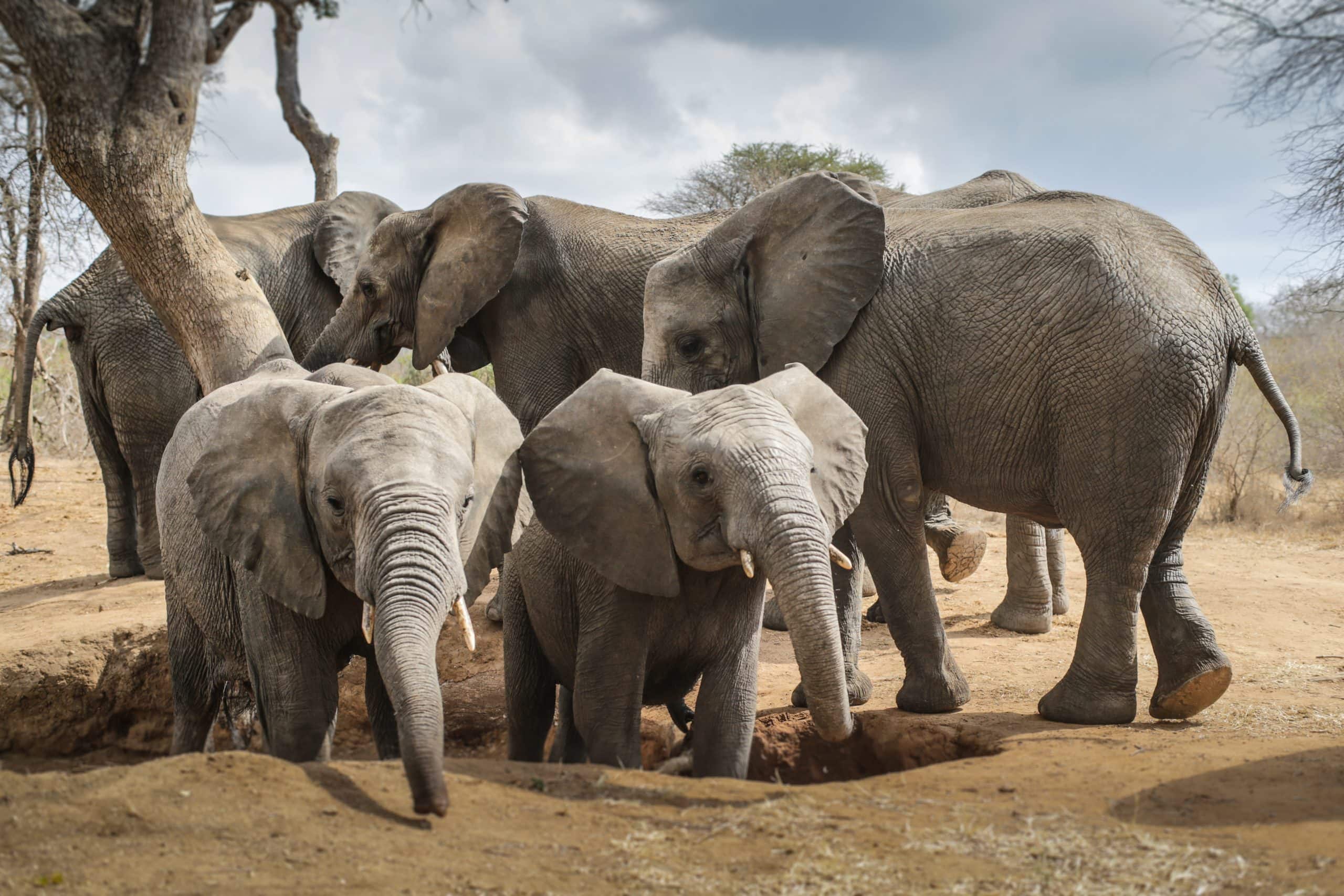
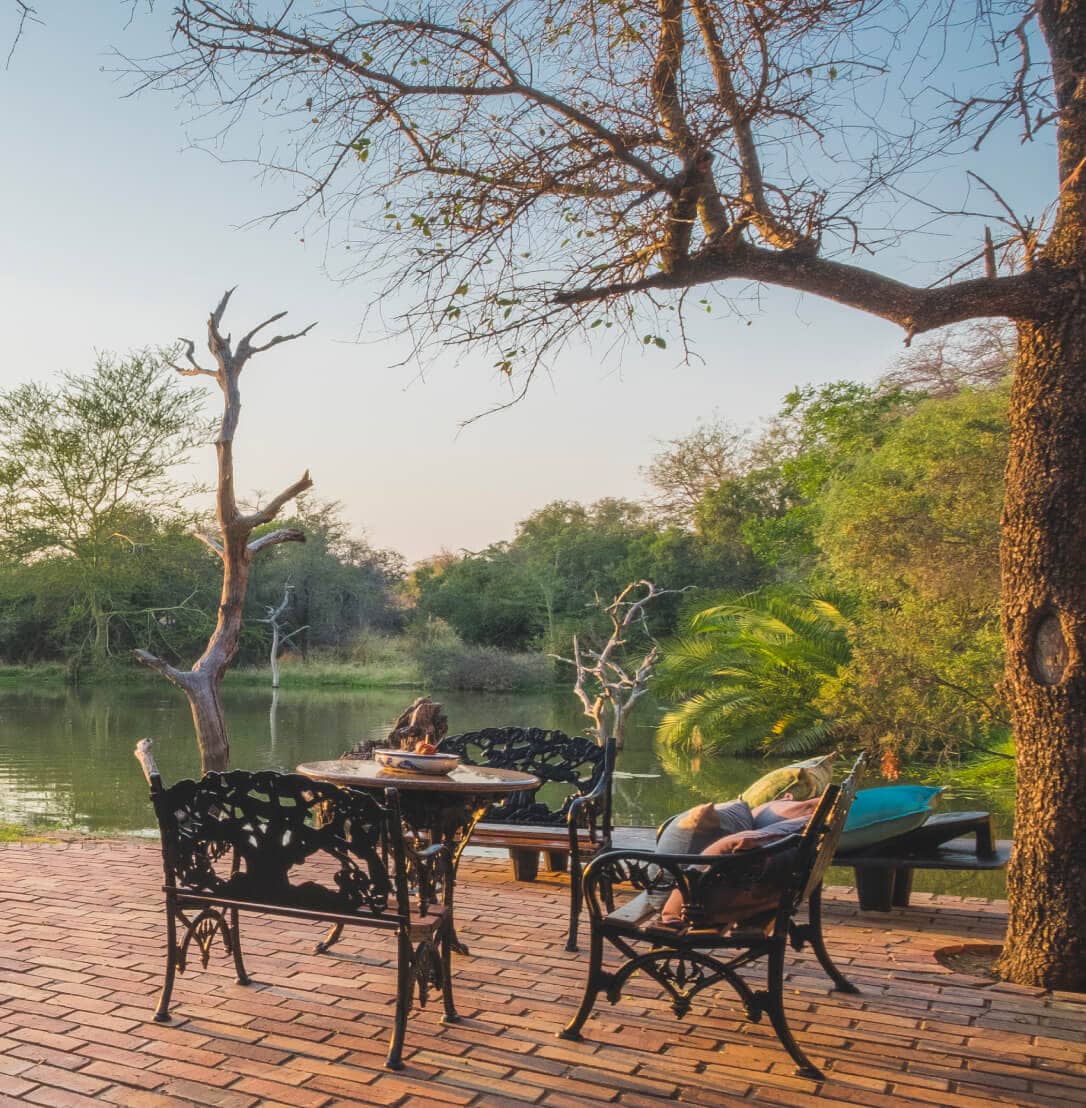
The cycle completes itself once a plate clears the dining deck. Inedible vegetable peelings and kitchen prep trimmings leave our scullery daily and travel to our neighbours at HERD (Hoedspruit Elephant Rehabilitation and Development). The HERD team mixes our kitchen scraps with dung from the rescued elephant herd to produce nutrient-rich organic compost, which local farmers purchase to restore regional soils and nourish future crops.
Cooking with care is a shared journey of learning, testing, and tasting. Our warmest gratitude goes to our executive chefs, prep cooks, scullery team, Bianca Dunkley, and General Manager Ruan, whose daily dedication brings Innovate Today. Nourish Tomorrow to life on every plate.