


Jabulani Safari: Land Stewardship Begins With Understanding the Land
by Jabulani Safari Content Writing Team
 Comment

In our previous blog, we briefly discussed how maintaining the reserve’s roads brings two distinct results: guests experience a smoother ride, while the larger purpose behind the grading remains unseen.


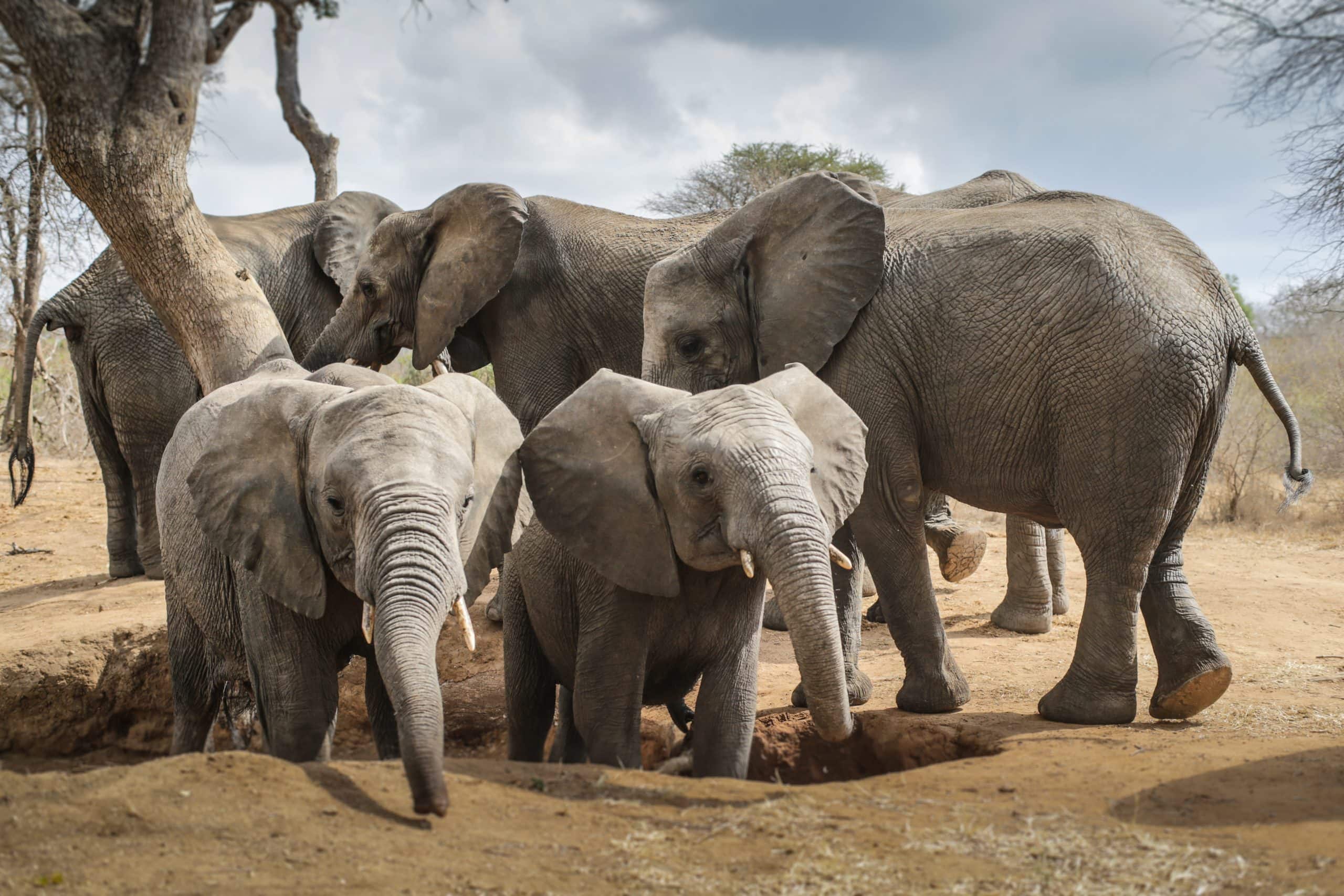
At Jabulani Safari, in South Africa’s Greater Kruger area, that purpose is the land itself. Jabulani exists in service of the elephants and the wildlife that share this private reserve. The animals belong here, and the wilderness is their home. Because modern conservation boundaries enclose the reserve, animals can no longer follow ancient migratory paths as seasons shift across vast landscapes. Caring for the ground beneath their feet becomes an active daily responsibility, helping ensure the wilderness remains healthy and resilient for every creature that depends on it, season after season.
Caring for the bush is often described simply as taking care of the land, yet Juan Ferreira, Sustainability Consultant, carries the idea deeper. Having guided road maintenance and veld management across the reserve for nine years, he anchors every physical intervention in long-term observation.
“Land stewardship involves understanding the land through long-term engagement and working with the land,” Juan explains. “To take care of something, you need to improve your understanding of the land.”
That understanding begins with recognising why each layer of the ecosystem relies on the next. Grass cover shields fragile topsoil from the impact of heavy rain, while healthy soil anchors the nutritious perennial grasses that sustain wildlife. During intense seasonal downpours, rainwater running along dirt tracks gathers speed, scouring topsoil and placing both road and grazing veld at risk. Caring for the open bushveld means keeping that earth intact.
On the reserve, translating stewardship into practice starts directly along the roads. We build humps across the road surface to slow the momentum of surface runoff during heavy rain. Curved spillways, shaped in a sickle or semicircle, then direct the water off the tracks and back into the surrounding veld. This curved design slows the flow and captures moisture, allowing water to trickle into the soil profile and replenish the water table. The ongoing upkeep serves our guests on safari while safeguarding the surrounding habitat.
Across the wider veld, the same principle shapes our restoration work. We construct half-moon earth hollows, also known as bunds, to catch surface water and allow moisture to seep gradually into dry ground. Each hollow is packed with branches cleared from encroaching thorn trees. Known as brush packing, this method catches windblown seeds and organic matter, creating a sheltered microclimate for germination while protecting delicate new shoots from grazing herbivores.


Our elephant care operations contribute to this cycle directly. To encourage steady plant growth, we enrich the hollows with compost produced on site from elephant dung and fermented food waste, alongside indigenous veld grass seeds. Where severe erosion has carved deep gully networks, the team uses earth-moving equipment like a TLB to reshape and stabilise the washed-out contours before applying these same revegetation methods.
Scaling these techniques requires considerable patience and effort. For Juan, creating hollows across the expansive area around Whiskey 1 Dam remains a milestone, demonstrating how labour-intensive veld care can successfully stabilise large areas of vulnerable earth.
True understanding also means returning season after season. Each year, we revisit the rehabilitation sites to observe how the earth structures are settling. Over time, the hollows naturally collect organic matter, gently break down, and level out, leaving behind balanced, well-vegetated ground. Juan notes that consistency remains essential, especially because different techniques yield distinct, often surprising ecological responses across varying soil types.
The ultimate measure of success is understated. For Juan, the clearest sign that land rehabilitation has succeeded is when “you can’t see that there has been an intervention.” Healthy perennial grasses cover the ground, roots bind the soil, and wildlife grazes undisturbed. Achieving that balance takes patience, years of dedicated care, and an understanding of the land.
On a game drive, guests immediately notice the comfort of a smooth road winding through the bush. The grass binding the earth beside the track is something they may rarely register, yet the animals they have travelled to witness depend entirely on that root system.
This balance between visible attentiveness and unseen care defines a soulful safari, refined in luxury, at Jabulani. It begins with taking the time to understand the land, and it endures in humble service of the elephants and wild creatures who call this sanctuary home.