


Jabulani Safari Family Ownership: The Name Above the Door
by Jabulani Safari Content Writing Team
 Comment

Family ownership at Jabulani Safari, in South Africa’s Greater Kruger area, means the Roode family has spent decades building their life around the elephants and the land, together with a team who share in the work every day.
Guests at the top end of luxury hospitality expect a certain polish, and they arrive looking forward to beautiful design and service attentive to the smallest detail. Few lodges, however, can tell guests exactly who is responsible for their stay. Here, the Roode family and their team share this responsibility. Adine Roode leads the lodge as owner and Maître de Maison, while the elephant carers and the lodge team look after the herd and the guests each day.

It Began with One Elephant
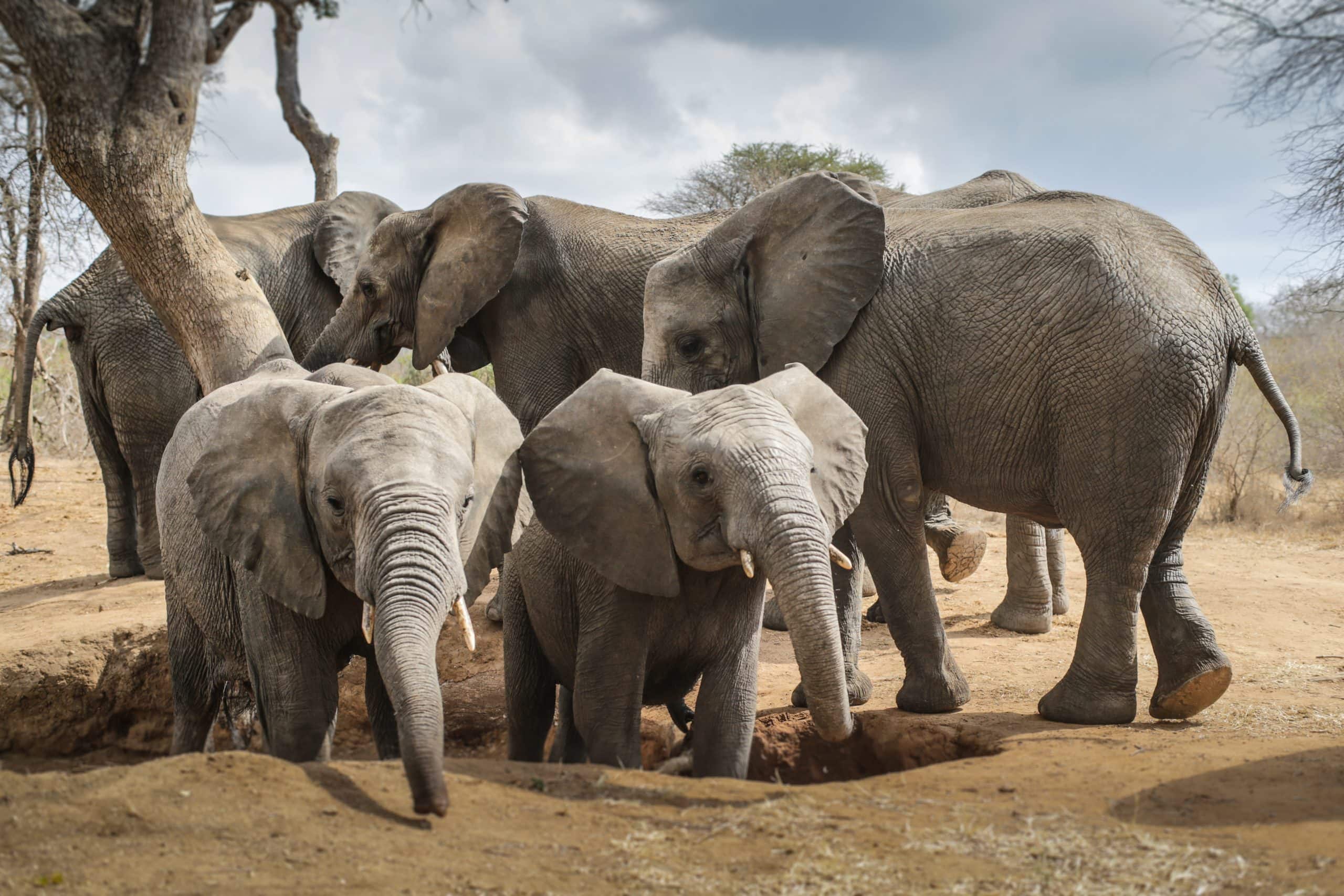
In 1997, Lente Roode found a four-month-old elephant calf abandoned and stuck in a silt dam. The family took him in and named him Jabulani, meaning “rejoice”. The Roode family took on the responsibility of caring for him, knowing that it would be a lifelong commitment.

The family built the lodge around the needs of the herd. Today, Jabulani is a Relais & Châteaux property on a 16,000-hectare private reserve. We received Two MICHELIN Keys in 2025 and again in 2026, and this year Jabulani also appeared in the Condé Nast Traveler Readers’ Choice Awards, which reflect travellers’ own experiences. We are proud of our team’s combined efforts in receiving this recognition. While each award marks a single moment in time, we have a long-term commitment to providing guest experiences with every detail in mind. We want to make decisions we will still stand behind years from now.

The Herd and HERD
Caring for the Jabulani herd is the family’s first responsibility, and no occupancy figure or guest satisfaction score can measure it. Adine Roode carried this care further when she founded HERD, South Africa’s first dedicated elephant orphanage. HERD gives orphaned elephants long-term care and rehabilitation, while also advancing research and education.
Jabulani has changed a great deal since the first elephant arrived, but the reason behind it has stayed the same: protecting the elephants’ home. The elephants need care in every season, whether the lodge is full or not, and the family keeps this in mind with every decision about the property.
The herd also shapes how we introduce guests to elephants. Our experiences are built on respect and understanding rather than spectacle. Guests watch the elephants in their natural environment and come to see each one as an individual, with its own place in the herd.

Hospitality as Being Known
Being looked after and being known are two different things. At Jabulani, personal hospitality grows from relationships built over time, both between guests and our team and between our team and the reserve.
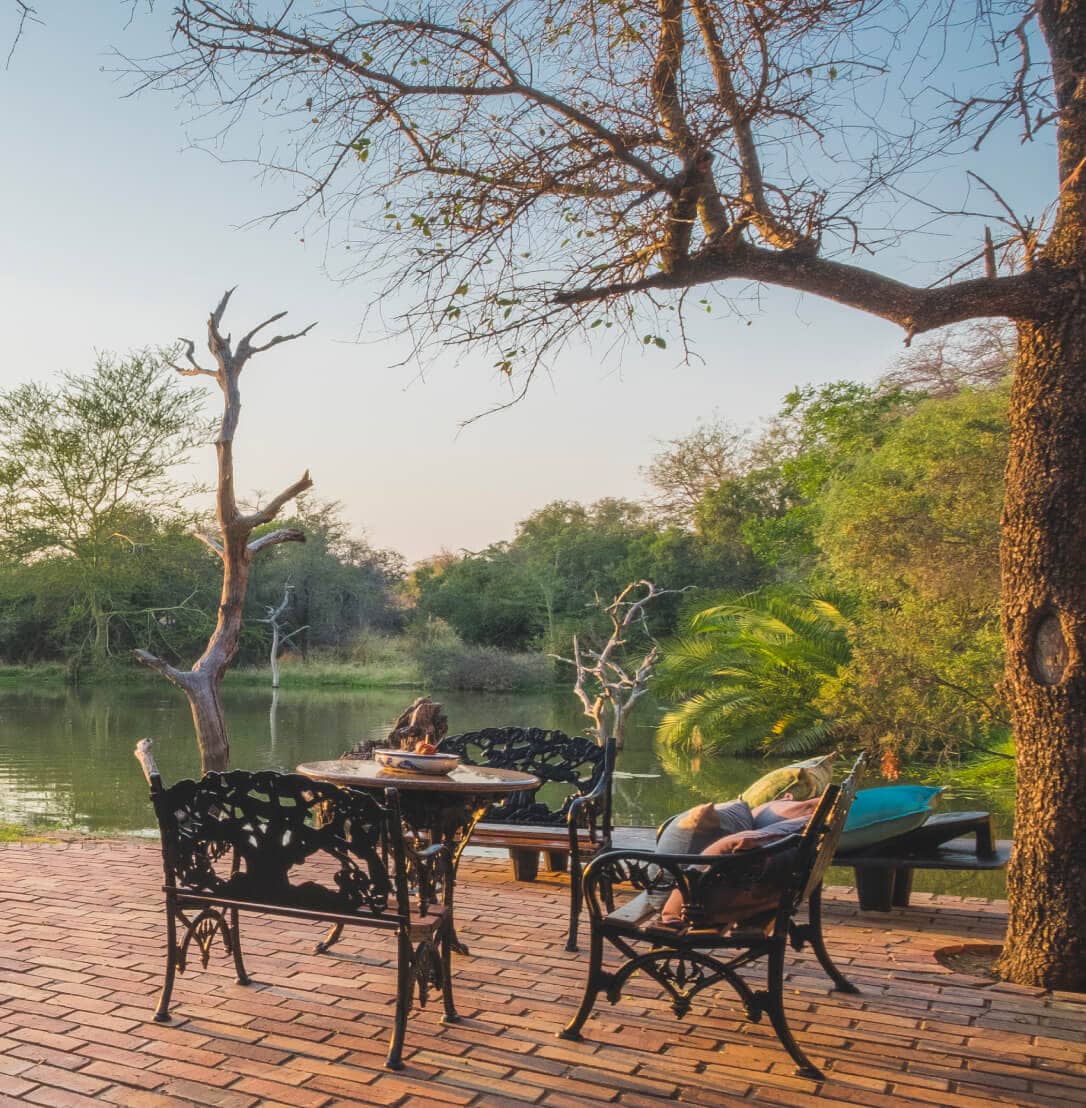
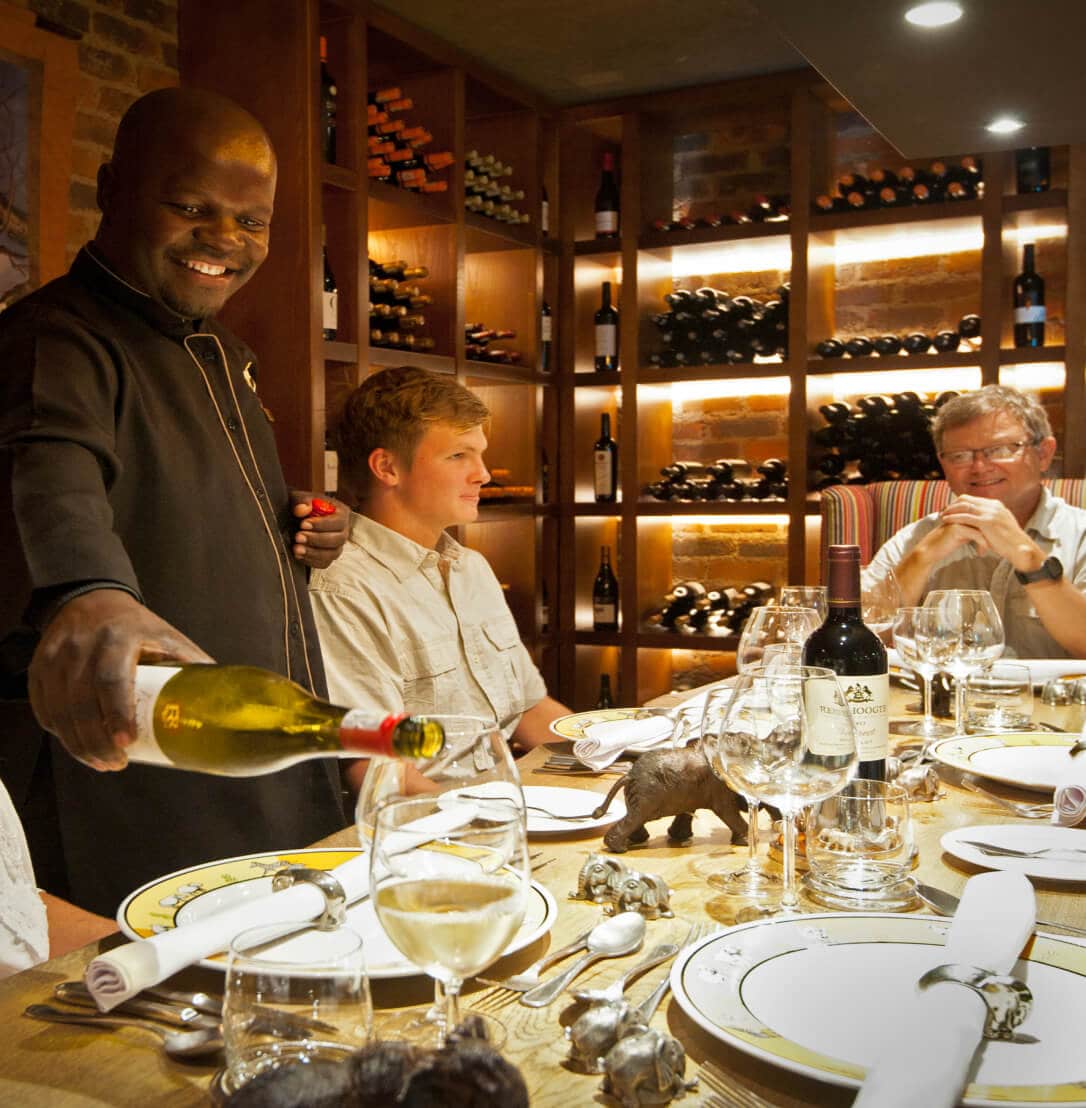
Many of our team members have worked here for years, so they know the reserve and the elephants, and they remember returning guests. Their years of experience let them use their own judgement instead of following a script during guest interactions. On a beautiful evening, the team might move dinner outdoors. A guide might remember what made a returning guest stop and stare on their last visit. Over time, these relationships become part of how Jabulani looks after people.


What Family Ownership Asks of Us
With family ownership comes immense responsibility rather than any automatic advantage, because when your name is above the door, you answer for every decision.
For us, this means owning our choices and holding ourselves to international standards, whatever awards come our way. It also means making room for new thinking. Jabulani’s future will need new ideas and new people, and protecting what matters sometimes means being willing to change.
Honesty about trade-offs matters most, because the right choice for the elephants and the reserve will sometimes be the harder and less profitable one. Family ownership doesn’t make these choices easier, but it makes them much harder to walk away from.
The Difference You Can Feel
Most guests come to Jabulani for the safari and the elephants without giving ownership much thought, and the story behind the lodge becomes part of their stay along the way. They see it in a team who know the elephants individually and in people who have known returning guests for years. They see it in decisions made with the next generation in mind too.
Jabulani is a lodge, but it is also a place with a history and a responsibility to its future. Its history began with one orphaned elephant. Today it includes a family of rescued elephants and a team who chose to care for the animals and the land. The name above the door stands for looking after what has been entrusted to us, and passing something worth protecting on to the next generation.
We would love to hear from others working in hospitality and tourism. In your experience, how does ownership shape the way a place feels to its guests? And how does it shape life for the team and the community around it?